
bedroom-lighting-2026
Let me be completely honest with you. I walk into bedrooms all the time where the only light source is a single overhead fixture, usually one of those builder-grade flush mounts that casts a harsh, flat glow over everything. The homeowner spent weeks choosing the perfect paint color, found the most beautiful duvet, and sourced a stunning headboard, yet the lighting is an absolute afterthought. The result? A room that looks flat in photos, feels institutional at night, and never quite delivers that cozy, magazine-worthy atmosphere everyone is chasing. Yeah, I’ve seen this mistake a thousand times, and it is genuinely the single biggest missed opportunity in residential interior design today.Here is what the research actually says. According to a 2023 study published in the Journal of Environmental Psychology, bedroom lighting quality has a direct and measurable impact on sleep onset time, morning mood, and even perceived room size. Participants who slept in rooms with layered, dimmable lighting reported falling asleep an average of 22 minutes faster than those in rooms with single-source overhead lighting. That is not a small difference. That is the difference between lying awake frustrated and actually getting the rest your body needs. Bedroom lighting is not decoration. It is a functional health tool that also happens to make your space look incredible when done correctly.
This guide covers everything you need to know about bedroom lighting in 2026. We are talking about layered lighting design, specific fixture recommendations with real price ranges, smart lighting systems that integrate with your existing home setup, color temperature science and what it actually means for your sleep, placement rules with real measurements, and the exact questions you need to ask before buying a single bulb. Whether you are working with a (10×12 foot) guest room or a sprawling (20×22 foot) primary suite, this guide gives you a complete, actionable roadmap.
I am Sophia Rose, senior writer here at NineSeasDecor.com, and I have spent the last decade working alongside interior designers, electricians, and lighting specialists across the country. I have toured hundreds of renovated homes, attended trade shows from High Point Market to LightFair International, and tested more fixtures than I can count. What you are reading is not recycled Pinterest content. It is real, field-tested knowledge from someone who genuinely cares about helping you get your bedroom right, the first time.
Understanding The Three Layers Of Bedroom Lighting
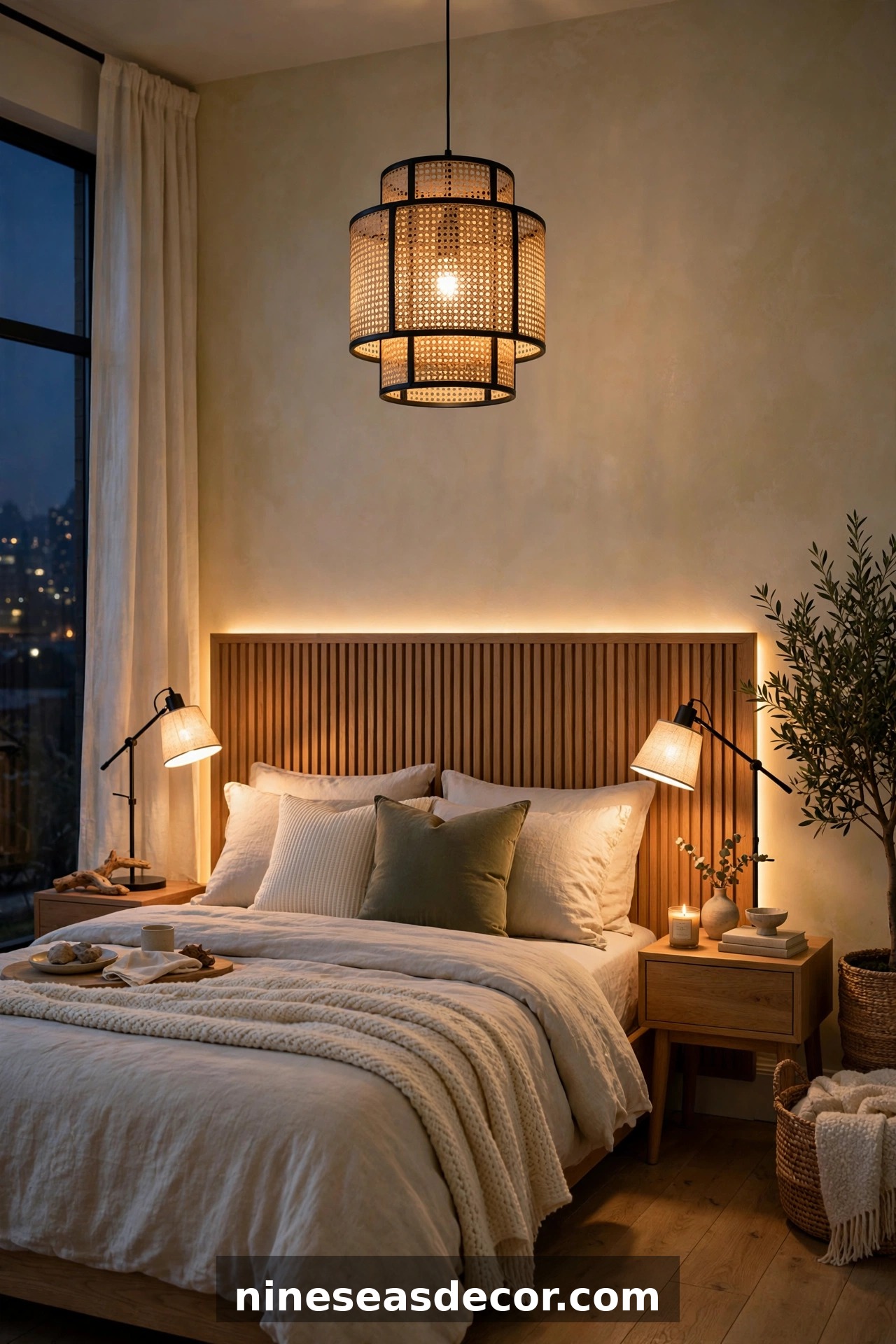
Every great bedroom lighting plan starts with understanding what designers call the three-layer lighting system. This concept is foundational, and skipping it is exactly how you end up with that flat, disappointing room I described in the opening. The three layers are ambient lighting, task lighting, and accent lighting. Each layer serves a completely different purpose, and together they create the kind of depth, warmth, and functionality that makes a bedroom feel genuinely luxurious rather than just expensive.
According to the National Kitchen and Bath Association (NKBA), even in spaces outside the kitchen and bath, the three-layer approach is considered the gold standard for residential lighting design. Their 2024 design guidelines recommend that homeowners budget for all three layers from the outset rather than adding them retroactively, because running new electrical afterward can add ($1,500 to $4,000) to a project that should have been planned from the start. Think of it like building a house without plumbing and trying to add it later. Technically possible, but wildly inefficient.
The good news is that in most bedrooms, you can achieve a full three-layer setup without touching a single wire, using a combination of switched outlets, plug-in fixtures, and existing ceiling boxes. Understanding what each layer does gives you the power to audit your current bedroom and identify exactly which layer is missing. Nine times out of ten, it is accent lighting that gets left out, and that is the layer that adds the most visual drama and warmth.
WHAT IS AMBIENT LIGHTING AND WHY IT MATTERS
Ambient lighting is your room’s base layer of illumination. It is the general, overall light that allows you to navigate the space safely and see the room in its entirety. In a bedroom, this is typically provided by a ceiling fixture, a semi-flush mount, a chandelier, or a series of recessed lights. The goal of ambient lighting is not to be bright and harsh. It should provide a comfortable, even glow that covers the full (10×10 foot) to (20×20 foot) footprint of the room without creating deep shadows in corners. For a standard (12×14 foot) bedroom, you want ambient lighting that delivers roughly (10 to 20 foot candles) of illumination, which is significantly softer than a kitchen or home office. Always, always put your ambient fixture on a dimmer. This single upgrade, which costs ($15 to $40) for a quality dimmer switch, transforms a flat overhead light into a flexible tool you can adjust from bright morning wake-up mode to romantic evening atmosphere with a simple slide.
TASK LIGHTING: THE FUNCTIONAL POWERHOUSE
Task lighting is the focused, directional light you use for specific activities: reading in bed, getting dressed, applying makeup, or working on a laptop. In a bedroom, the most common task lighting sources are bedside table lamps, wall-mounted reading sconces, pendant lights hanging beside the bed, and vanity lighting near a dresser or mirror. The NKBA recommends placing bedside task lighting so that the center of the lampshade or the light source itself sits at approximately (24 to 30 inches) above the mattress surface when you are sitting upright in bed. This prevents the common problem of light shining directly into your eyes or, on the flip side, barely illuminating the pages of your book. Task lighting fixtures range enormously in price, from ($25) for a basic plug-in table lamp to ($800 or more) for a designer wall-mounted reading light with an integrated USB port and adjustable arm. The sweet spot for most homeowners is ($80 to $250) per bedside fixture.
ACCENT LIGHTING: THE SECRET WEAPON DESIGNERS USE
Accent lighting is the layer most homeowners skip, and it is the one that makes designers’ work look effortlessly elevated. Accent lighting highlights architectural features, creates visual depth, and adds warmth that transforms a bedroom from a sleeping room into a true sanctuary. In practice, this means LED strip lights behind a floating headboard, picture lights over artwork, uplights in corners to draw the eye upward, or cove lighting recessed into a tray ceiling. A simple strip of warm white LED tape (color temperature around 2700K) installed behind a platform bed frame costs as little as ($30 to $80) for the tape itself and creates an effect that looks like a ($5,000) custom installation. According to a 2024 survey conducted by Houzz, homeowners who incorporated accent lighting into their bedroom renovations reported a (42%) higher satisfaction rating with the overall room aesthetic compared to those who used only ambient and task layers.
Choosing The Right Color Temperature For Your Bedroom
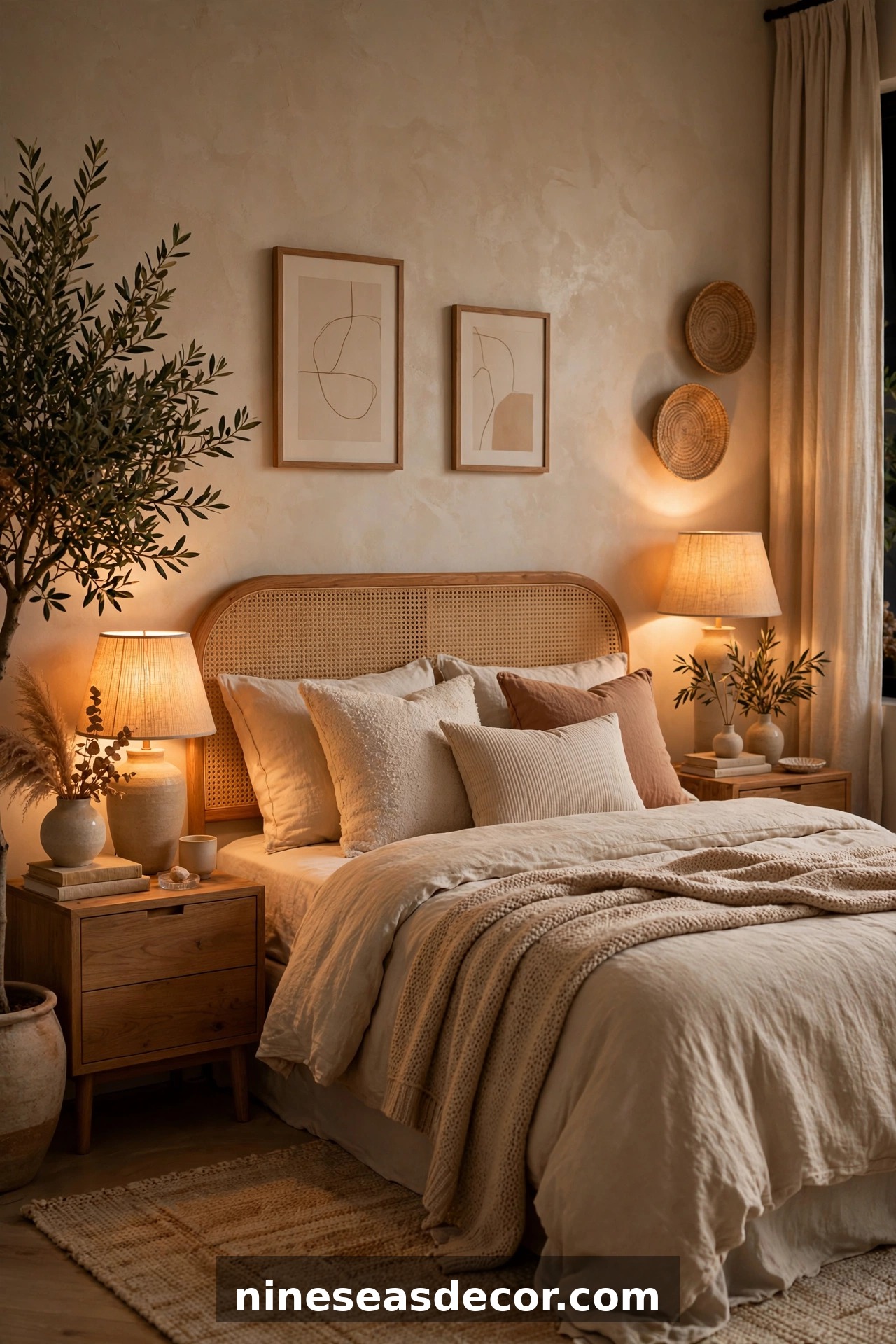
Color temperature is measured in Kelvins (K), and getting it right in a bedroom is absolutely critical. This is one of those technical topics that sounds intimidating but is actually quite simple once you understand the basics. Color temperature determines whether your light looks warm and golden, neutral and white, or cool and bluish. For bedrooms, the science is clear. You want warm light, and here is exactly why that matters for both aesthetics and your biology.
The science of circadian rhythm disruption by artificial light is well established. According to a 2022 study published in the Journal of Biological Rhythms, exposure to light sources above 3000K in the two hours before bedtime suppresses melatonin production by up to (50%), directly delaying sleep onset and reducing overall sleep quality. That cool, crisp, daylight-style bulb you put in your bedroom lamp because it looks “brighter and cleaner” is literally keeping you awake. This is not a minor concern. This is a physiological response happening in your body every single night.
For bedrooms, the optimal color temperature range is 2700K to 3000K for all primary lighting sources. This range produces the warm, golden quality that your brain associates with sunset and wind-down time. If you use smart bulbs (which we will cover in detail in a later section), you can program them to automatically shift from a cooler 4000K in the morning, supporting wake-up energy, to a warm 2200K in the evening, supporting melatonin production and restful sleep. This kind of automated color temperature shifting is called circadian lighting or human-centric lighting, and it is genuinely one of the most impactful wellness upgrades you can make to your home.
WARM WHITE VS. SOFT WHITE VS. DAYLIGHT BULBS
Walk into any hardware store and you will see bulb packaging labeled warm white, soft white, and daylight, and the distinctions actually matter enormously for your bedroom. Warm white bulbs fall in the 2700K to 3000K range and are ideal for bedside lamps, ceiling fixtures, and any accent lighting in a bedroom. They produce a cozy, inviting glow that flatters skin tones and creates that hygge atmosphere everyone craves. Soft white bulbs typically sit at around 2700K as well, so the terms are often used interchangeably by major brands. Daylight bulbs, however, range from 5000K to 6500K and are designed for task-intensive spaces like kitchens, garages, and home offices. Putting a daylight bulb in your bedroom lamp is one of the most common and most damaging lighting mistakes I see. The fix costs literally ($5 to $15) for a pack of replacement bulbs. No electrician required. Just swap them out tonight.
HOW PAINT COLOR INTERACTS WITH LIGHT TEMPERATURE
This is a nuanced topic that most lighting guides completely ignore, but it is crucial for getting your bedroom right. Your wall color dramatically affects how your lighting reads in the space. Warm paint colors like Sherwin-Williams Accessible Beige (SW 7036), Sherwin-Williams Antique White (SW 6119), or Benjamin Moore White Dove (OC-17) will amplify the warmth of your 2700K bulbs, creating an extremely cozy, golden atmosphere. Cool paint colors like Benjamin Moore Hale Navy (HC-172) or pale blues and grays will absorb some of that warmth and read as more balanced. Neither approach is wrong, but you need to understand the interaction. If your walls are a cool gray like Sherwin-Williams Repose Gray (SW 7015) and you want your bedroom to feel warm and cozy, you may need to lean toward the lower end of the color temperature range, around 2200K to 2500K, to achieve that same warmth that would come naturally with a beige wall and a standard 2700K bulb.
Fixture Types And What They Actually Cost In 2026
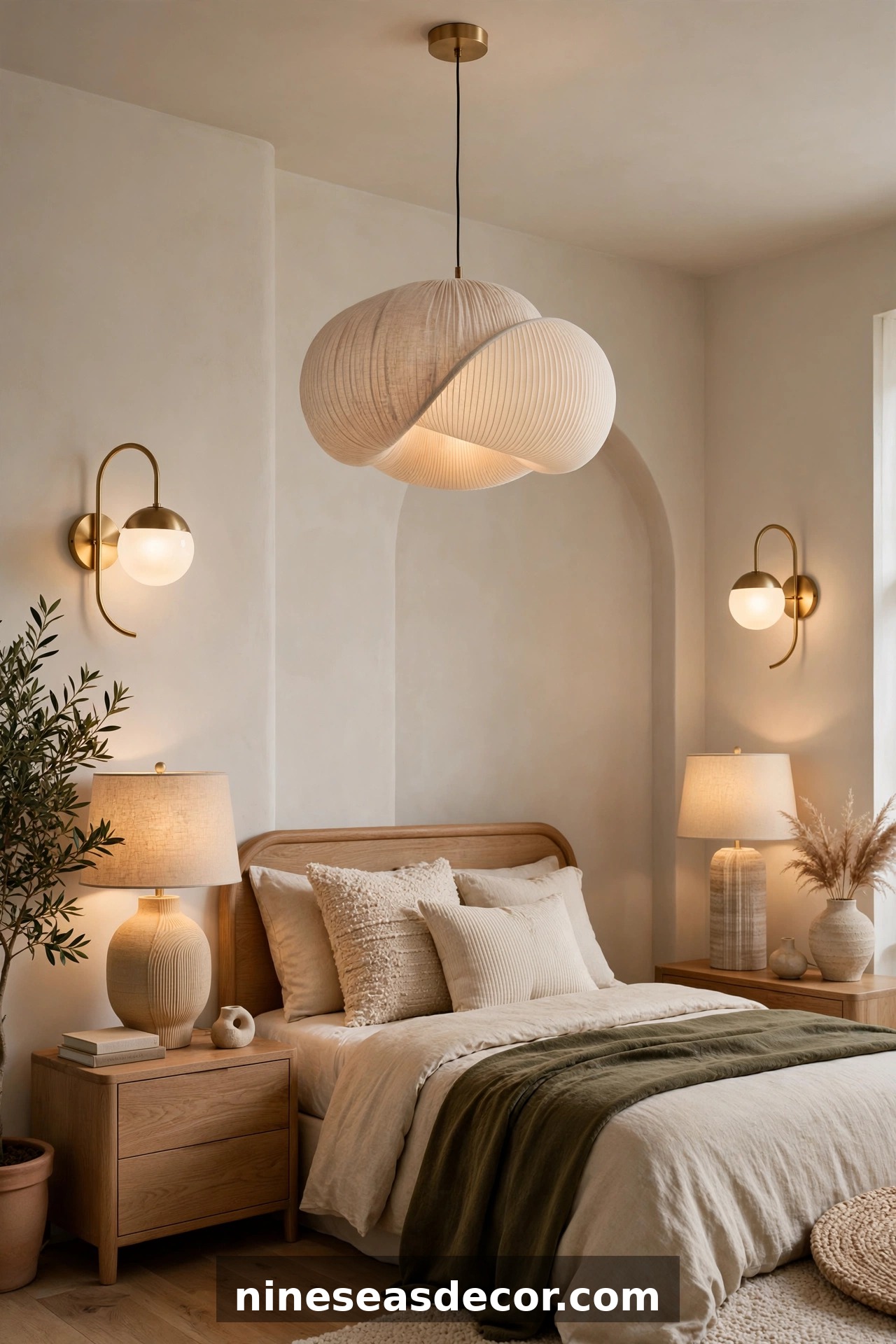
Let us get into the real numbers, because vague advice does nobody any good. Bedroom lighting fixtures span an enormous price range, and understanding what drives that range helps you make smart decisions for your specific budget. The good news is that some of the most impactful lighting upgrades are among the least expensive. A ($35) LED strip light behind your headboard can do more for your bedroom atmosphere than a ($600) designer table lamp if it is placed correctly. That said, quality matters, and cheap fixtures often have poor Color Rendering Index (CRI) scores, flicker issues, and short lifespans that make them false economies.
When we talk about fixture costs, I always break them into three budget tiers: builder grade ($30 to $150 per fixture), mid-range ($150 to $500 per fixture), and designer or custom ($500 to $2,000+ per fixture). A complete bedroom lighting setup, meaning ambient, task, and accent layers fully addressed, typically costs ($400 to $1,200) at the builder grade tier, ($800 to $2,500) at mid-range, and ($2,000 to $8,000) or more at the designer level. These numbers include fixtures but not electrical work. If you need an electrician to run new circuits or install recessed lighting in an existing ceiling, budget an additional ($500 to $2,500) depending on your home’s construction type and local labor rates.
CEILING FIXTURES: CHANDELIERS, FLUSH MOUNTS, AND PENDANTS
Your ceiling fixture is the anchor of your ambient lighting layer and often the most visible decorative element in the room. For a standard (10×12 foot) or (12×14 foot) bedroom with (8-foot ceilings), a flush mount or semi-flush mount is typically the appropriate choice, as anything with a hanging drop will feel cramped. For rooms with (9-foot or taller ceilings), a chandelier or pendant becomes a viable and dramatically beautiful option. The general rule for sizing a chandelier in a bedroom is to add the room dimensions in feet together and use that number in inches as your approximate fixture diameter. For a (12×14 foot) room, that suggests a fixture roughly (26 inches) in diameter. Flush mount fixtures suitable for bedrooms range from ($35) at big box retailers to ($800 or more) for designer pieces from brands like Visual Comfort, Hudson Valley, or Arteriors. The sweet spot that balances quality and aesthetics lands between ($120 and $400).
BEDSIDE LAMPS AND WALL SCONCES
Bedside lamps and wall-mounted sconces are your primary task lighting workhorses. The choice between the two is partly aesthetic and partly practical. Table lamps are more flexible since they plug in and can be repositioned without any electrical work. They also provide a broader spread of light. Wall sconces feel cleaner and more architectural, especially in smaller bedrooms where nightstand real estate is precious. If you go the sconce route, you have two options: hardwired sconces, which require an electrician and run ($200 to $600 installed per side), or plug-in sconces, which use a cord that runs down the wall (ideally hidden in a cord cover painted to match the wall) and cost ($60 to $300) per fixture without any electrical work. For couples with different sleep schedules, individually switched bedside lights are a genuine quality-of-life upgrade. Whether you choose table lamps or sconces, placing them so the light source center is at (24 to 30 inches) above the mattress is the standard that works for most adults.
RECESSED LIGHTING IN BEDROOMS: PROS AND CONS
Recessed lighting is a topic I have mixed feelings about in bedrooms, and I want to give you the honest picture. On the pro side, recessed lights are unobtrusive, create excellent even ambient coverage, and can be aimed to highlight artwork or architectural features. A grid of (4 to 6) recessed lights on a dimmer in a (12×14 foot) bedroom gives you beautiful, controllable ambient light. On the con side, recessed lighting requires ceiling installation, which in an existing home means ($800 to $2,500) for an electrician to install (4 to 6) cans, cut drywall, run wiring, and patch and paint. Additionally, recessed lights pointing straight down directly above a bed are the enemy of a flattering bedroom aesthetic. They create harsh downlighting that looks terrible in photos and is deeply unflattering when you are lying in bed. If you use recessed lighting in a bedroom, aim the fixtures toward the walls and perimeter of the room rather than directly at the sleeping surface. This bounce lighting approach creates a far more inviting result.
Smart Lighting Systems For The Modern Bedroom
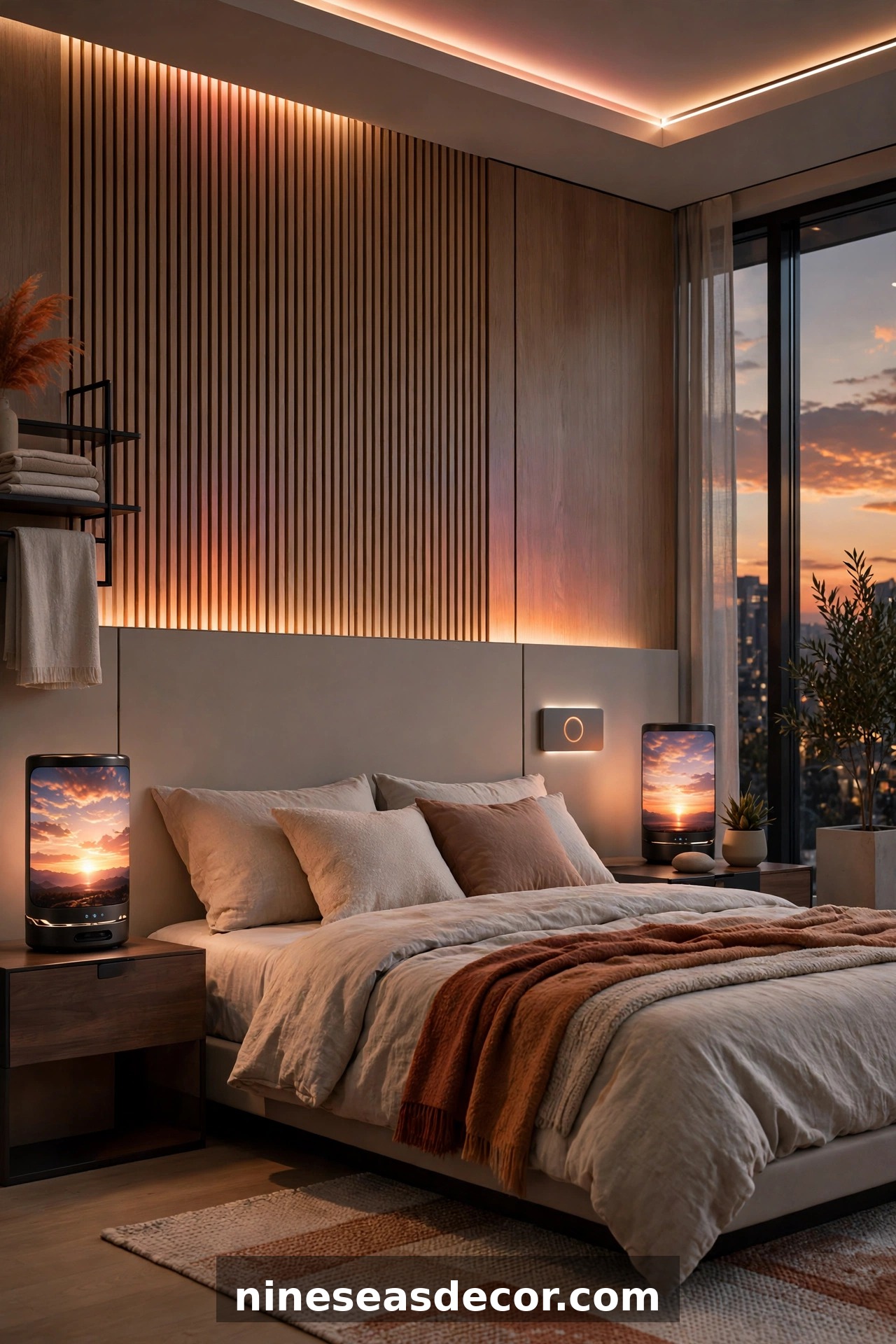
Smart lighting has gone from a novelty to a genuine quality-of-life upgrade, and the 2026 options are more accessible, more reliable, and more beautifully designed than ever before. The core value proposition of smart bedroom lighting is control: the ability to adjust brightness, color temperature, and even color from your phone, a voice assistant, or an automated schedule without getting out of bed or fumbling for a switch. For people who take their sleep seriously, this level of control is transformative.
The three dominant smart lighting ecosystems right now are Philips Hue, LIFX, and Lutron Caseta. Each has distinct strengths. Philips Hue offers the broadest product range and the most robust third-party integrations, with starter kits running ($70 to $200) and individual bulbs costing ($15 to $50) each. LIFX produces some of the most color-accurate smart bulbs available and does not require a hub, making setup simpler. Lutron Caseta works at the switch level rather than the bulb level, meaning you replace standard switches with smart dimmers (($60 to $80) per switch) and use any standard LED bulb you like, which is a major advantage if you have fixtures where smart bulbs are impractical.
AUTOMATING YOUR BEDROOM LIGHTING SCHEDULE
The most powerful feature of any smart lighting system is scheduling and automation. Setting up a wake-up lighting routine that gradually brightens your room from (0%) to (60%) brightness over 20 to 30 minutes before your alarm is one of the most effective natural alarm techniques available. Research from the Journal of Clinical Sleep Medicine published in 2023 found that participants using gradual light-based wake-up systems reported (35%) higher morning energy levels compared to those woken by auditory alarms alone. The science behind this is rooted in circadian biology: light suppresses melatonin and triggers cortisol release in a gradual, natural rhythm when it mimics sunrise, rather than creating the cortisol spike associated with a jarring alarm sound. Programming this schedule takes about (10 minutes) in the Philips Hue or LIFX app and costs nothing beyond the smart bulbs you have already purchased. A full bedroom setup with smart bulbs in the ceiling fixture and both bedside lamps runs ($80 to $180) total for the hardware.
VOICE CONTROL AND SCENE SETTING FOR BEDROOMS
Voice control integration with Amazon Alexa, Google Home, or Apple HomeKit turns your bedroom lighting into something genuinely magical. Creating named scenes like “Movie Mode,” “Reading Mode,” “Romance,” or “Wind Down” that adjust multiple fixtures simultaneously to preset brightness and color temperature levels takes a few minutes to set up and then works flawlessly for years. “Alexa, set bedroom to wind down” can simultaneously dim your ceiling fixture to (20%), warm your bedside lamps to (10%) brightness at (2200K), and turn off any accent lights. No reaching for apps or switches. This level of automation is particularly valuable for anyone who struggles with sleep hygiene, parents of young children who need quiet nighttime routines, or anyone with mobility limitations that makes getting up to control lights challenging. The total investment in a voice-controlled bedroom lighting system, smart bulbs plus a compatible smart speaker, runs ($150 to $350) for most bedrooms.
Bedroom Lighting Layout And Placement Rules
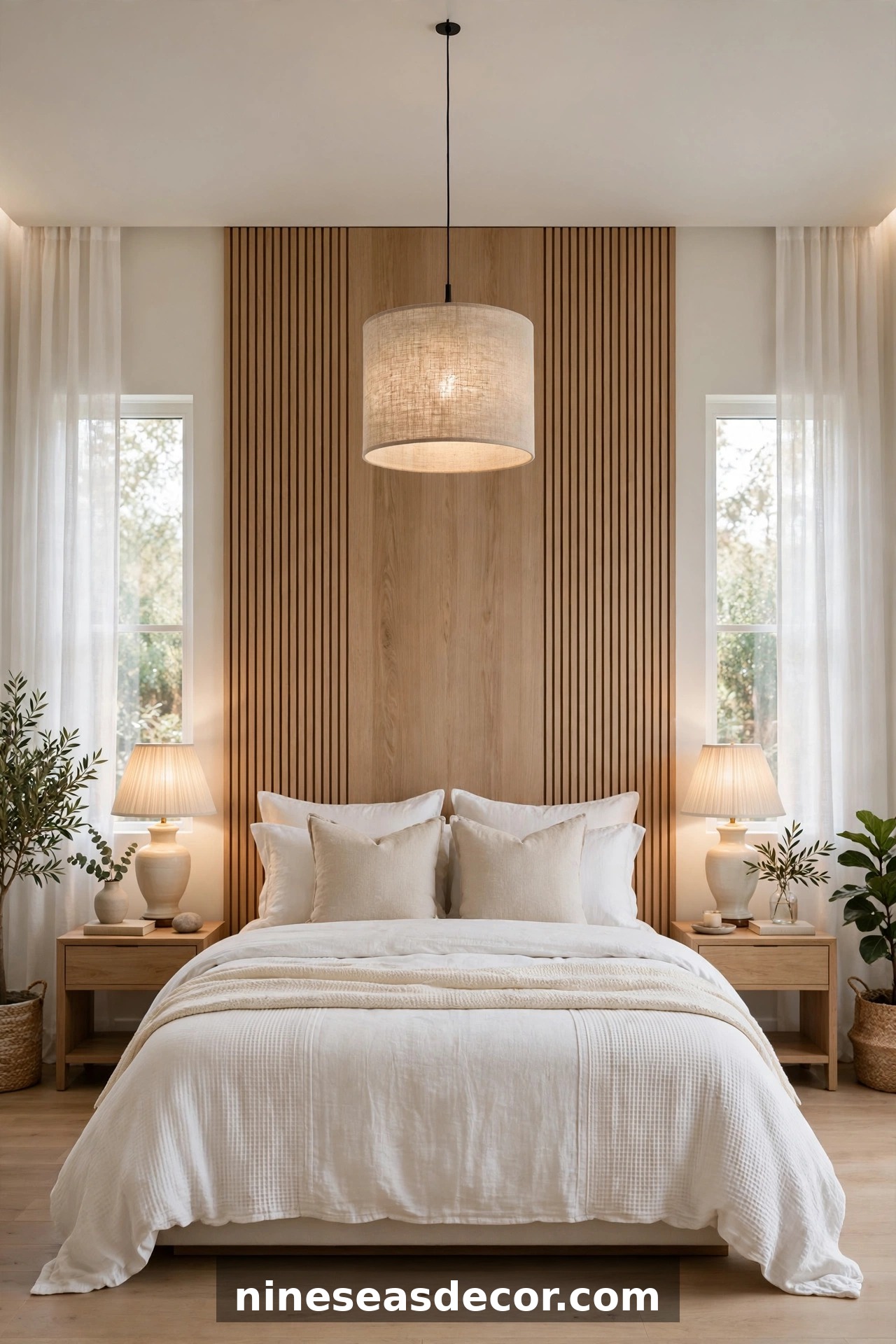
Even the most beautiful and expensive fixtures will underperform if they are placed incorrectly. Lighting placement is governed by a combination of practical function and visual design principles, and getting it right makes an enormous difference in how your finished bedroom looks and feels. This section covers the specific measurements and placement rules I use when consulting on bedroom projects, based on years of field experience and the guidelines established by professional lighting designers.
The most important concept in bedroom lighting placement is layered zones. Rather than thinking about individual fixtures, think about the room in zones: the sleeping zone (the bed and immediate surroundings), the dressing zone (near the closet and dresser), the seating zone (if your bedroom has a chair or bench area), and the entry zone (near the door). Each zone has different functional needs and therefore different lighting requirements. Most bedroom lighting plans fail because they address only the sleeping zone and ignore everything else, leaving the room feeling incomplete and poorly lit in everyday use.
MEASURING AND SPACING RECESSED LIGHTS CORRECTLY
If you are installing recessed lighting in a bedroom ceiling, the spacing formula is straightforward. Divide your ceiling height by two to determine the optimal spacing between fixtures. For a room with (8-foot ceilings), space recessed lights approximately (4 feet) apart from center to center. For (9-foot ceilings), the spacing becomes (4.5 feet). Place the outermost row of recessed lights approximately (2 to 3 feet) from the walls to wash light toward the perimeter rather than concentrating it in the center of the room. For a standard (12×14 foot) bedroom with 8-foot ceilings, a grid of (6) recessed lights, placed in two rows of three, provides excellent coverage when all fixtures are on a single dimmer circuit. Use 4-inch recessed cans rather than 6-inch in bedrooms. The smaller aperture creates a cleaner, more refined look that suits the intimate scale of a bedroom better than the larger commercial-looking 6-inch option.
BEDSIDE LIGHTING HEIGHT AND POSITIONING GUIDE
Getting bedside lighting positioned correctly is something I see done wrong more often than right. The golden rule is that the bottom of your lampshade or the light source of your wall sconce should sit at approximately (24 to 30 inches) above your mattress surface when you are seated upright against the headboard. For a standard platform bed with a mattress surface sitting (24 inches) off the floor, this means your lampshade bottom should be at roughly (48 to 54 inches) from the floor. For tall people or those who tend to read in a more upright position, go toward the upper end of that range. Horizontally, your bedside lamp should be positioned so that the center of the shade aligns roughly with your shoulder when you are sitting in bed. This prevents glare in your eyes while still illuminating the page or screen you are working with. If you have a (6-inch) or wider nightstand, a lamp base with a minimum (3-inch) diameter will give you enough visual weight to look proportionate without overwhelming the surface.
LIGHTING THE DRESSING AND CLOSET ZONES
The dressing zone of a bedroom is chronically under-lit in most homes. You need adequate, flattering light near your full-length mirror and dresser to properly evaluate outfits and apply any grooming products. The key here is to light your face from the front rather than from above. Overhead lighting above a mirror creates unflattering shadows under the eyes, nose, and chin. Instead, place vertical sconces or strip lights on either side of a mirror, positioned at approximately (eye level) or roughly (60 to 65 inches) from the floor to the center of the fixture. This horizontal, flanking placement provides the most even, flattering illumination for evaluating your appearance. For walk-in closets connected to the bedroom, (LED strip lighting) installed on the underside of shelving and above hanging rods makes an enormous practical difference and costs ($40 to $120) for a typical (6×8 foot) walk-in closet. Use 3000K to 3500K strips in closets rather than the warmer 2700K you would use in the sleeping area, as slightly cooler light renders clothing colors more accurately.
Bedroom Lighting For Specific Bedroom Types And Challenges
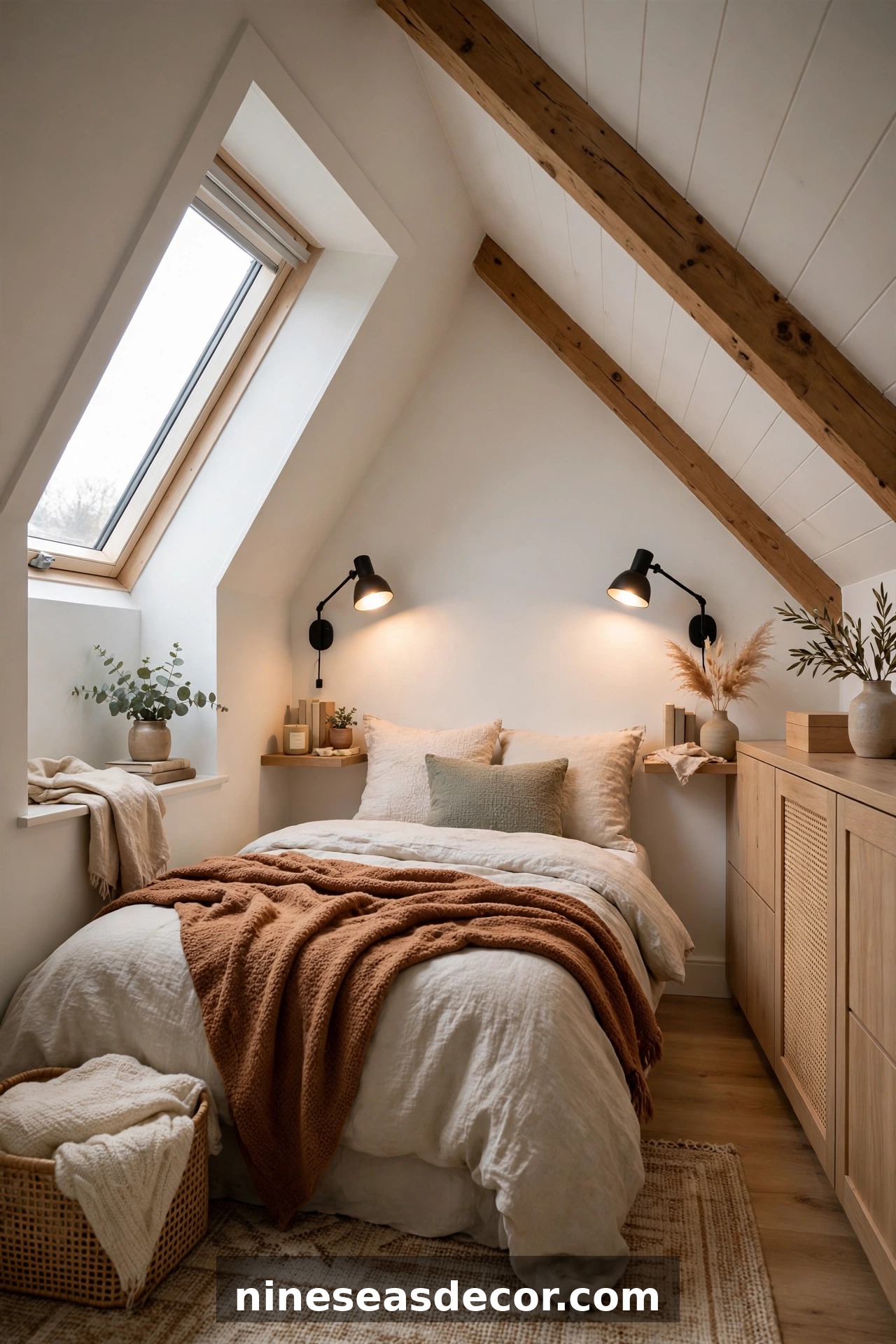
Not all bedrooms are created equal, and generic lighting advice often fails when you are dealing with a (9×10 foot) spare bedroom, a primary suite with (14-foot vaulted ceilings), or a bedroom that doubles as a home office. This section addresses the most common specific challenges I encounter and provides targeted solutions for each scenario.
According to a 2024 report from the National Association of Realtors (NAR), (68%) of US homeowners reported that bedroom functionality and atmosphere ranked among their top three priorities in home improvement projects. This statistic reflects a broader cultural shift toward treating the bedroom as a true sanctuary and wellness space rather than just a room for sleeping. The implication for lighting is significant: homeowners are increasingly willing to invest in sophisticated, layered lighting systems for their bedrooms rather than treating it as an afterthought.
SMALL BEDROOM LIGHTING: MAKING A TINY ROOM FEEL LARGER
In a small bedroom, say (10×10 feet) or (9×12 feet), lighting choices directly impact how large the space feels. The biggest mistake in small bedrooms is using a single low-hanging central fixture that draws the eye downward and compresses the perceived ceiling height. Instead, use a combination of approaches that draw the eye up and outward. A semi-flush mount with an upward-facing component that bounces light off the ceiling creates the illusion of greater height. Wall sconces instead of table lamps free up precious nightstand space and make the room feel less cluttered. Installing LED strip lights above a crown molding line or inside a simple cove detail makes the ceiling feel higher and the room feel more expansive. Use mirrors strategically positioned to reflect light sources and double the perceived brightness of the room without adding any additional fixtures. In small bedrooms, plug-in fixtures are almost always preferable to hardwired options for budget and flexibility reasons.
PRIMARY SUITE LIGHTING: THE LUXURY LAYERED APPROACH
A primary bedroom suite deserves the full, no-compromise lighting treatment, and in 2026, the benchmark has risen significantly. For a generous primary suite of (18×20 feet) or larger, the lighting plan should include at minimum: a statement chandelier or dramatic ceiling fixture as the ambient anchor, (4 to 6) recessed lights on a separate dimmer circuit for general task use, bedside table lamps or wall sconces on individual switches for each side, cove lighting in a tray ceiling if the architecture supports it, a dedicated vanity lighting setup near the dresser, and accent lighting highlighting any artwork or architectural features. This comprehensive setup typically runs ($2,000 to $5,000) for the fixtures alone at the mid-range price tier, plus electrical work if needed. The return on investment is significant: according to the 2024 Houzz State of the Home report, primary bedrooms with professional lighting plans sold for an average of (8.3%) more than comparable homes with standard builder lighting in the same markets.
BEDROOM HOME OFFICE LIGHTING: BALANCING WORK AND REST
The bedroom home office combination became ubiquitous post-2020, and it presents a genuine lighting challenge because work and sleep spaces have fundamentally opposite lighting needs. Work demands brighter, cooler light in the (3500K to 4000K) range that supports concentration and reduces eye strain during screen use. Sleep preparation demands dim, warm light below (2700K). The solution is zoned smart lighting that allows you to create completely separate lighting scenes for work mode and sleep mode. During work hours, a dedicated desk lamp with a (3500K to 4000K) bulb and a warm ambient fill light at (40 to 60%) brightness works well. After the workday, the smart system shifts everything to the warm, dim sleep preparation settings. Physically separating the desk area from the sleeping area using a bookshelf, curtain partition, or area rug reinforces the psychological separation, and lighting plays a huge role in making that mental transition work. Budget ($200 to $500) for a smart lighting setup that handles both work and sleep modes gracefully.
Common Bedroom Lighting Mistakes And How To Fix Them
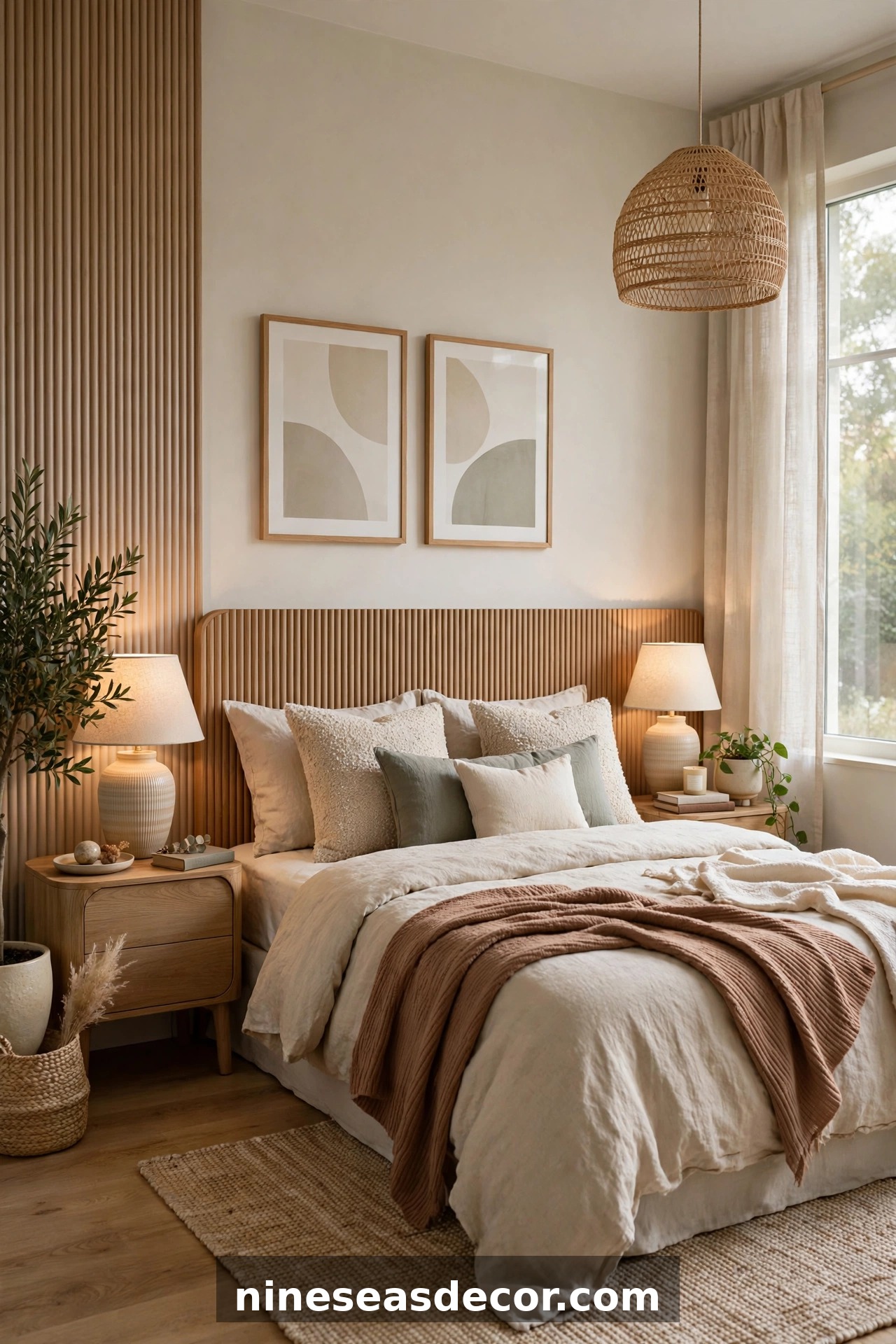
After years in this field, I have seen the same lighting mistakes repeated in home after home. Understanding what goes wrong, and why, gives you the power to avoid these pitfalls entirely or to fix the lighting issues you may already be living with. Most of these mistakes cost almost nothing to correct, which makes them even more frustrating when they persist simply out of lack of awareness.
The most expensive lighting mistake is not a product choice at all. It is the failure to plan. Homeowners who rush into purchasing fixtures without a complete plan for all three layers and all room zones almost inevitably end up with either too much of one type of lighting or embarrassing gaps. Retrofitting is always more expensive than planning correctly the first time, both in dollars and in the disruption to your living space.
THE SINGLE OVERHEAD LIGHT TRAP
Relying on a single overhead fixture as the sole light source in a bedroom is the number one most common and most damaging bedroom lighting mistake. I genuinely cannot overstate how much this single choice undermines everything else about a bedroom’s design. A single overhead fixture creates a flat, institutional quality of light that makes even expensive furniture and beautiful paint colors look mediocre. It leaves the corners in shadow, it casts unflattering downlight across faces and bed linens, and it offers zero flexibility for different moods and activities. The fix is almost always achievable without any electrical work. Add a pair of plug-in bedside lamps ($60 to $200 for a quality pair), install a plug-in LED strip behind the headboard ($30 to $60), and put the overhead fixture on a smart dimmer ($20 to $40). Total investment: ($110 to $300). Total transformation: genuinely dramatic. The room will look completely different, and I promise you will wonder how you lived with the old setup.
WRONG BULB COLOR TEMPERATURE AND WATTAGE ERRORS
Using the wrong color temperature bulb is the easiest and most common mistake to fix, yet it persists in bedroom after bedroom. Daylight bulbs (5000K to 6500K) in bedroom fixtures are biologically disruptive and aesthetically cold. Cool white bulbs (3500K to 4000K) are better but still too stimulating for a proper wind-down environment. Stick to warm white (2700K) or warmer for all bedroom fixtures. On the wattage side, the modern equivalent of a traditional (60-watt) incandescent is an LED drawing roughly (8 to 10 watts) while delivering the same light output, measured in lumens. For bedside lamps, aim for (400 to 600 lumens) per lamp, which provides adequate reading light without being harsh. For ambient ceiling fixtures in a bedroom, (800 to 1,600 lumens) total is appropriate for a (12×14 foot) room. If your ceiling fixture with a standard (800 lumen) bulb feels harsh, the solution is not a dimmer switch alone. First check that you are using a warm white bulb, as the right color temperature makes a substantial difference even at full brightness.
Frequently Asked Questions
HOW MUCH DOES A COMPLETE BEDROOM LIGHTING MAKEOVER COST IN 2026?
A complete bedroom lighting makeover</strongComplete Bedroom Design Guide 2026: Expert Ideas, Layouts & Style TipsSmall Bedroom Ideas 2026: Space-Saving Furniture, Storage Solutions & Layout Strategies