
kitchen-makeover-2026
You know that moment when you walk into your kitchen, flip on the light, and just… sigh? Not a happy sigh. The kind of sigh that says “I have been staring at these same dated oak cabinets and that same cracked tile backsplash for seven years and I cannot do it anymore.” Yeah, I have seen this exact scenario play out a thousand times with homeowners who reach out to us here at NineSeasDecor.com. The kitchen is the heart of the home, people say it all the time, but what they do not say is that a tired, dysfunctional kitchen can genuinely drag down your entire quality of life at home. Whether your kitchen is cramped, outdated, poorly lit, or just plain ugly, the good news is that a well-planned kitchen makeover can completely transform the space without necessarily gutting your savings account.According to a 2024 study published in the Journal of Environmental Psychology, people who reported high satisfaction with their kitchen environments showed a 43% improvement in overall household wellbeing scores compared to those who expressed dissatisfaction with their cooking spaces. That is not a small number. Your kitchen is not just a place where you cook dinner. It is where lunches get packed, where homework happens on the island, where your morning coffee ritual sets the tone for the day. When that space feels wrong, everything feels a little harder than it should.This guide is designed to walk you through every stage of a successful kitchen makeover in 2026, from the very first planning decisions all the way through to the finishing decorative touches that make a kitchen feel truly yours. We are going to cover layout planning, cabinet updates, countertop selection, backsplash design, lighting upgrades, flooring choices, color palettes, and the all-important budget breakdown that most blogs conveniently skip over. Nothing gets glossed over here. Nothing gets left vague. You will leave this article with real numbers, real paint codes, and a real plan.I am Sophia Rose, and I have spent over a decade writing about interior design and home renovation for homeowners across the United States. I have toured hundreds of kitchens, interviewed dozens of contractors and interior designers, and yes, I have made my own renovation mistakes that I am going to help you avoid. Every recommendation in this guide is backed by research, industry data, or direct professional experience. Let us get into it.
Planning Your Kitchen Makeover: Layout, Budget, And Vision
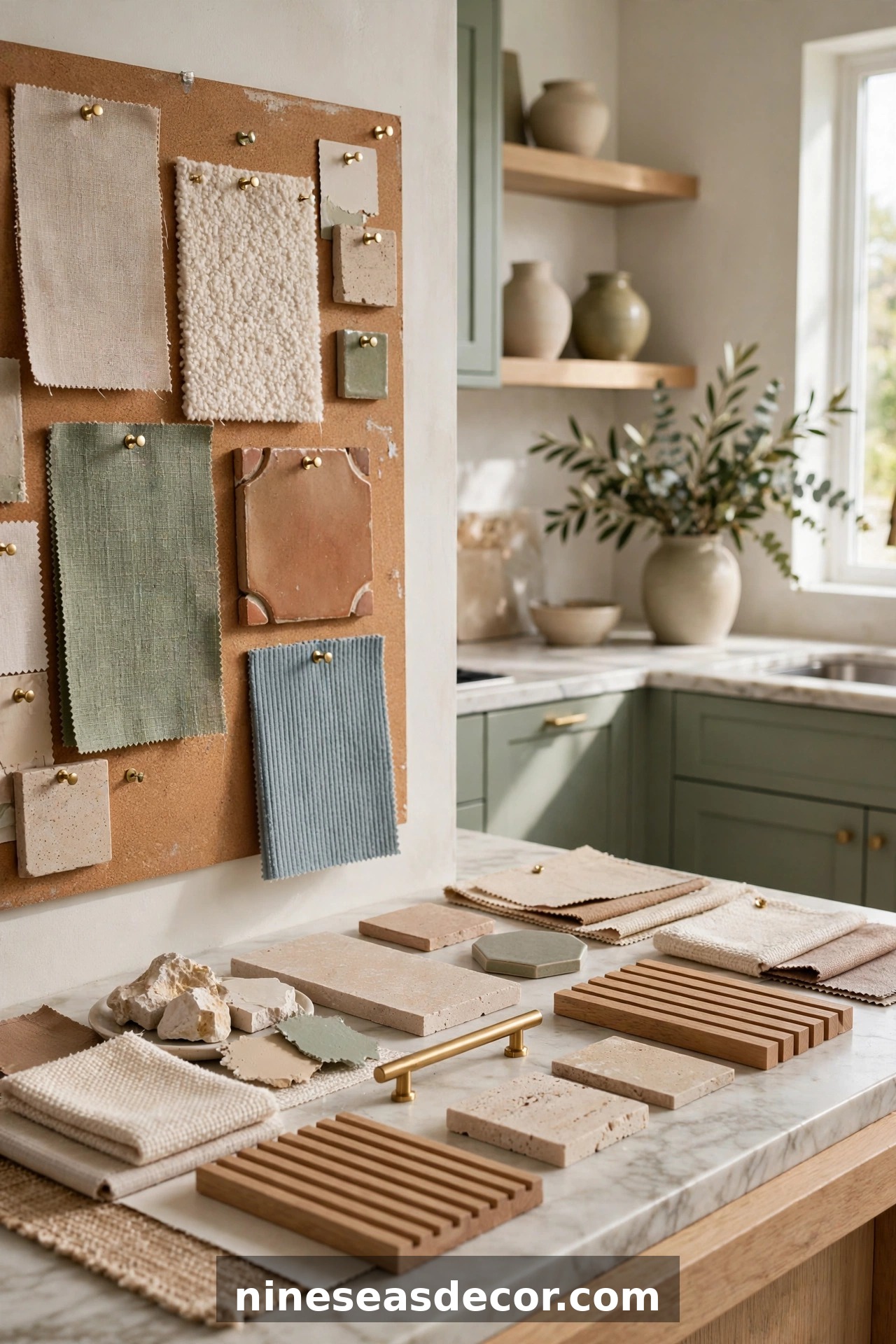
Before you buy a single tile or pick a single paint color, you need a plan. I cannot stress this enough. The number one mistake homeowners make when starting a kitchen makeover is jumping straight into the fun stuff, the aesthetics, without first establishing a solid foundation of layout logic and financial reality. A beautiful kitchen that does not function well is still a bad kitchen.
According to the National Kitchen and Bath Association (NKBA) 2024 Design Trends Report, homeowners who worked with a professional designer or completed a formal layout planning process before purchasing any materials reported saving an average of $3,200 on their overall renovation budget because they avoided costly change orders and material mistakes. That figure alone should convince you to slow down and plan first.
Start by measuring your existing kitchen precisely. Write down the dimensions of the full room, typically something like (10×12 feet) for a small kitchen or (15×20 feet) for a larger open-plan space. Note the locations of windows, doors, plumbing lines, gas lines, and electrical outlets. These are your non-negotiables, the things that will cost a significant amount of money to move and that should inform your layout decisions rather than fight against them.
Next, establish your makeover budget. Kitchen makeovers in 2026 range wildly depending on scope. A cosmetic refresh (paint, hardware, lighting) might run you ($2,000 to $8,000). A mid-range makeover that includes new countertops, cabinet refacing, and updated appliances typically falls between ($15,000 and $35,000). A full kitchen renovation with structural changes can reach ($50,000 to $100,000+). Know your number before you fall in love with a quartzite waterfall island.
DEFINING YOUR KITCHEN MAKEOVER SCOPE
The word makeover means different things to different homeowners, and getting crystal clear on your scope before you start will save you from serious budget creep. A cosmetic makeover involves surface-level changes like paint, hardware swaps, new light fixtures, and maybe a peel-and-stick backsplash. A mid-level makeover brings in new countertops, cabinet refacing or painting, updated plumbing fixtures, and new flooring. A full renovation changes the bones of the space, moving walls, rerouting plumbing, and installing entirely new cabinetry. Decide which category you are working in before you take a single trip to a showroom. This single decision will determine every other choice you make, from which contractors you need to hire to how long your kitchen will be out of commission. Most cosmetic makeovers take one to three weeks. Full renovations can take three to six months. Plan accordingly.
SETTING A REALISTIC MAKEOVER TIMELINE
Timeline planning is where even the most organized homeowners fall apart, and I have watched it happen repeatedly. The planning and design phase alone should take four to eight weeks minimum if you are doing this properly. You need time to source materials, compare contractor bids, and make decisions without panic buying. The ordering phase adds another two to twelve weeks depending on whether you are choosing in-stock or custom items. Custom cabinetry alone can have lead times of eight to sixteen weeks in 2026. Build a 10 to 15 percent buffer into both your timeline and your budget for surprises, because surprises will happen. Old houses hide old problems, and demo day has a way of revealing moisture damage, outdated wiring, or subfloor issues that no one knew existed until that moment.
CHOOSING YOUR DESIGN STYLE BEFORE SHOPPING
Before you walk into a single showroom or click add to cart on anything, choose your design direction. The four most popular kitchen styles in 2026 according to the Houzz 2024 Kitchen Trends Survey are Modern Farmhouse, Contemporary Minimalist, Transitional, and Classic Traditional. Each of these styles has its own palette, material preferences, and hardware aesthetics. Mixing styles without intention creates a kitchen that feels visually chaotic and ultimately unsatisfying. Create a mood board with at least 20 images that appeal to you, then look for the common threads. Those threads are your style. Commit to it. This commitment will make every subsequent decision easier and more cohesive, from cabinet door profiles to faucet finishes to the exact sheen level on your wall paint.
Cabinet Updates That Transform Your Kitchen Without Full Replacement
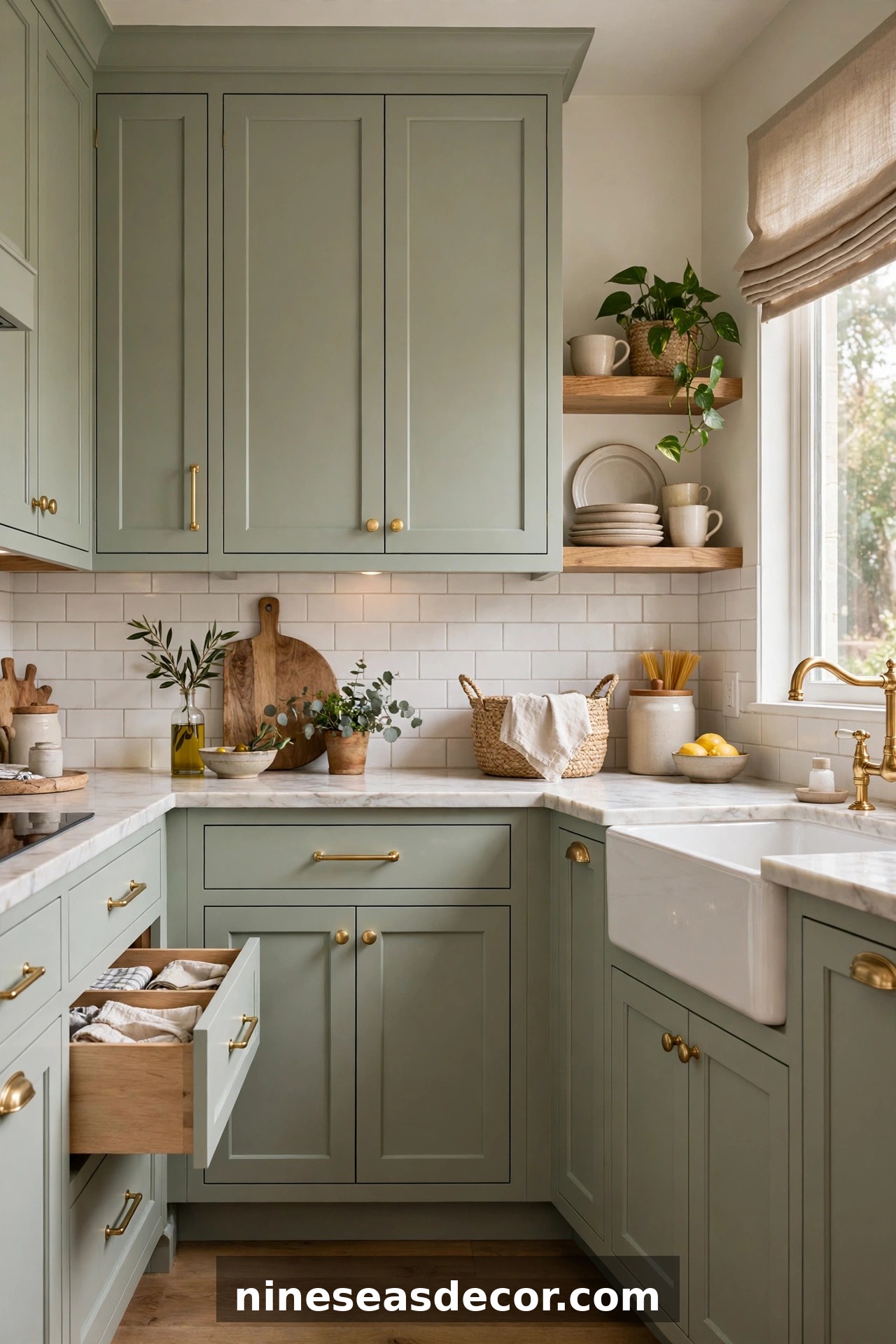
Cabinets cover more square footage in a kitchen than almost anything else, which means they have an outsized impact on how the space looks and feels. New custom cabinets are expensive. We are talking ($500 to $1,500 per linear foot) for semi-custom options and ($800 to $1,800 per linear foot) for fully custom work. For an average (10×12 foot) kitchen with 20 linear feet of cabinetry, that is a $16,000 to $36,000 cabinet investment before you have touched anything else. But here is what most people do not realize: there are several highly effective strategies for updating cabinets without replacing them entirely.
Cabinet painting is the single highest-ROI update in a kitchen makeover. According to the National Association of Realtors (NAR) 2024 Remodeling Impact Report, a professional cabinet painting project costing approximately ($1,500 to $4,000) for a typical kitchen can recover up to 80 percent of its cost in added home value. That is an extraordinary return. The key is professional execution, proper deglosser application, quality primer, and a sprayed finish rather than a brushed one. DIY cabinet painting without proper prep almost always looks amateur within two years.
CABINET PAINTING: COLOR CHOICES FOR 2026
Choosing the right cabinet color is one of the most impactful decisions in your entire kitchen makeover. The dominant cabinet colors in 2026 are moving away from the stark all-white kitchens that dominated the last decade and toward richer, more character-driven tones. Sherwin-Williams Sage (SW 0017) is having an enormous moment in upper cabinets paired with warm white lowers. Benjamin Moore Hale Navy (HC-154) remains a perennial favorite for kitchen islands, adding drama and grounding without overwhelming the space. For a warmer, more organic direction, Sherwin-Williams Dried Thyme (SW 6186) paired with unlacquered brass hardware creates a kitchen that feels simultaneously timeless and fresh. If you prefer a lighter approach, Benjamin Moore White Dove (OC-17) is the white that professional painters and designers reach for most often. It has just enough warmth to avoid feeling clinical.
CABINET HARDWARE: THE JEWELRY OF YOUR KITCHEN
I always say that cabinet hardware is the jewelry of the kitchen. It is the detail that catches the eye up close and communicates the entire design language of the space. In 2026, the dominant hardware finishes are unlacquered brass, matte black, satin nickel, and warm bronze. Unlacquered brass is particularly exciting because it develops a living patina over time rather than maintaining a static polished look, which feels more authentic and less showroom-perfect. For hardware sizing, cabinet pulls for standard drawers typically run (3 to 5 inches) in length, while larger drawers benefit from (8 to 12 inch) bar pulls. Door knobs typically measure (1.25 to 1.5 inches) in diameter. Hardware replacement is one of the least expensive and most impactful updates in any makeover budget, costing as little as ($200 to $600) for an entire kitchen.
CABINET REFACING VERSUS FULL REPLACEMENT
When cabinet painting is not enough because the structure or style of your cabinets is the problem, cabinet refacing becomes worth serious consideration. Refacing involves keeping your existing cabinet boxes in place while replacing the door fronts, drawer fronts, and applying a new veneer or laminate to the visible exterior surfaces of the boxes themselves. This process typically costs ($4,000 to $9,000) for an average kitchen, compared to ($15,000 to $40,000+) for full cabinet replacement. The finished result is virtually indistinguishable from new cabinets to the untrained eye. The one scenario where refacing does not make sense is if your existing cabinet boxes are structurally compromised, out of square, or if you want to change your kitchen layout, since refacing locks you into your existing configuration.
Countertop Selection: Materials, Costs, And What Actually Holds Up
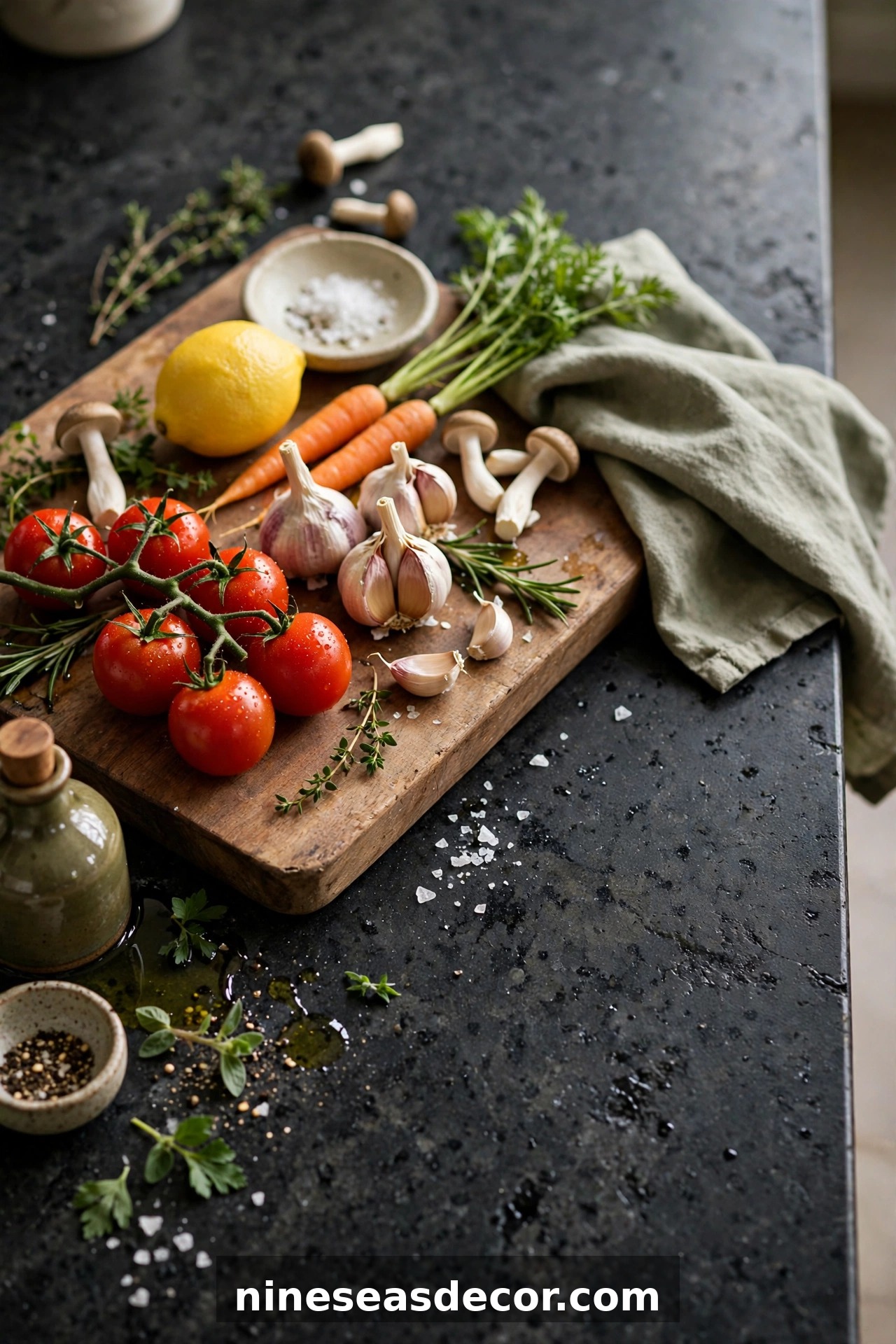
The countertop is the workhorse of the kitchen. It takes more abuse than almost any other surface in the home, daily exposure to heat, moisture, acidic foods, cutting, impact, and heavy appliances. Choosing the wrong countertop material is an expensive mistake that will haunt you for years. Choosing the right one is an investment that pays dividends in both daily functionality and long-term home value.
The countertop market in 2026 has more options than ever, which is both exciting and overwhelming. Let me break down the most popular materials with real data so you can make an informed decision rather than just a pretty one. Quartz countertops remain the top seller in US kitchens, priced at ($50 to $120 per square foot) installed. Granite holds strong at ($40 to $100 per square foot) installed. Quartzite (not to be confused with quartz) runs ($70 to $200 per square foot) installed and is one of the most misunderstood materials on the market. Butcher block ranges from ($35 to $80 per square foot) installed and is having a serious resurgence. Concrete countertops sit at ($65 to $135 per square foot) installed.
QUARTZ VERSUS QUARTZITE: CLEARING UP THE CONFUSION
I need to address this directly because the confusion between quartz and quartzite costs homeowners real money. Quartz countertops are an engineered product, approximately 90 to 93 percent crushed natural quartz stone bound together with polymer resins and pigments. They are non-porous, require zero sealing, resist staining beautifully, and come in an enormous range of colors and patterns including convincing marble looks. They are not, however, heat resistant. Always use a trivet. Quartzite, on the other hand, is a 100 percent natural metamorphic stone that begins as sandstone and is transformed under intense heat and pressure. It is incredibly hard, genuinely heat resistant, and has naturally occurring veining patterns that no engineered product can perfectly replicate. It does require annual sealing and varies significantly in quality depending on the slab. Always inspect quartzite slabs in person before purchasing.
TRENDING COUNTERTOP LOOKS FOR 2026
The countertop aesthetic trends in 2026 are moving decisively toward natural movement and organic variation. The ultra-clean, minimalist all-white marble look that dominated the 2015 to 2022 period is giving way to dramatic book-matched slabs, leathered finishes, and warm-toned stones with golden, terracotta, or smoky undertones. Leathered granite is particularly compelling right now because the texturing process not only creates a beautiful matte surface with subtle dimension but also makes the stone more fingerprint resistant and easier to maintain than a polished finish. For homeowners who love the look of Calacatta marble but want the practicality of quartz, Calacatta Laza by Silestone and Calacatta Nuvo by MSI are two consistently well-reviewed options in 2026 that deliver the drama without the maintenance anxiety.
COUNTERTOP EDGE PROFILES AND WHY THEY MATTER
The edge profile on your countertop is a detail that most homeowners overlook entirely until they see the finished result and realize it completely changes the feel of the slab. An eased edge is the most contemporary choice, a simple square edge with just a slight softening of the corner, and it suits modern and minimalist kitchens perfectly. A waterfall edge, where the countertop material runs vertically down the side of an island, creates a dramatic architectural statement and typically adds ($200 to $800) to the cost depending on material. A beveled edge adds visual interest with a clean angled cut. An ogee edge has a more traditional S-curve profile suited to classic kitchen styles. Edge profiles are typically included in the installed price for basic options, with more complex profiles adding ($10 to $30 per linear foot).
Backsplash Design: The Detail That Defines The Space
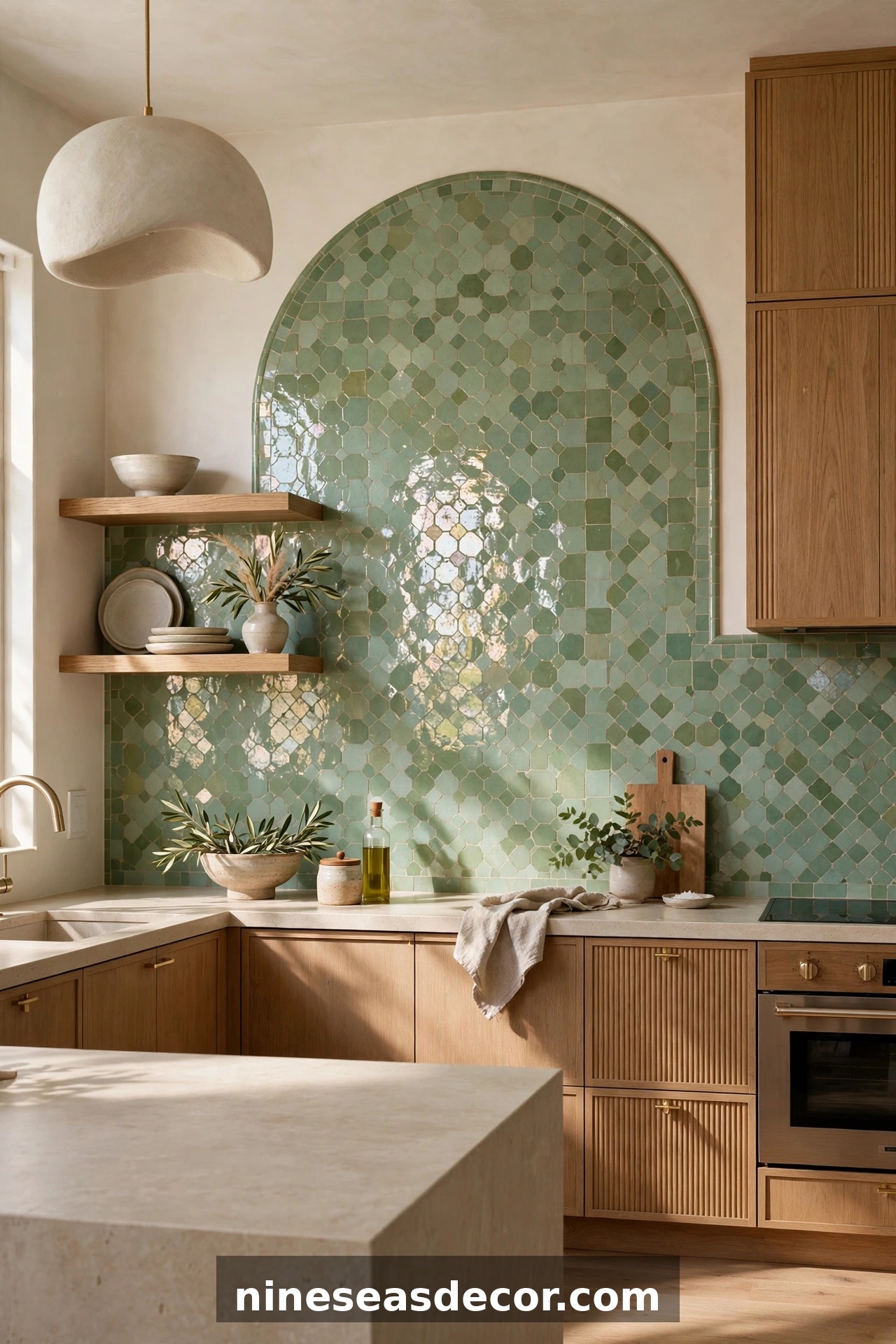
The backsplash is where your kitchen’s personality really gets to show up and play. It is the canvas between your countertops and your upper cabinets, and in a well-designed kitchen it reads as both functional protection and intentional design statement. I have seen homeowners who nailed every other element of their kitchen makeover completely underestimate the backsplash and end up with a space that feels like it is missing something. That something is almost always the backsplash.
Backsplash materials in 2026 run from budget-friendly to seriously luxurious. Ceramic subway tile remains the workhorse of kitchen backsplashes, priced at ($2 to $7 per square foot) for the tile itself. Porcelain tile in large format sizes runs ($4 to $15 per square foot). Natural stone mosaic tile ranges from ($8 to $30 per square foot). Handmade zellige tile, the Moroccan glazed clay tile that has absolutely exploded in popularity, costs ($25 to $60 per square foot) and adds a level of artisanal texture and variation that mass-produced tile simply cannot replicate. Installation costs add approximately ($8 to $20 per square foot) regardless of material.
SUBWAY TILE BEYOND THE BASICS
Subway tile gets dismissed as basic or overdone, and I understand why people feel that way. But the reality is that subway tile is a design classic for good reason, it is proportionally balanced, works with nearly any aesthetic, and its simplicity makes it a perfect backdrop for other design elements. The trick in 2026 is going beyond the standard (3×6 inch) white tile in a straight stack or running bond pattern. Consider a (2×8 inch) or (2×10 inch) elongated subway in a warm white like Sherwin-Williams Alabaster (SW 7008) for a more refined feel. Explore vertical installation to add visual height. Look at colored grout as a way to dramatically change the personality of classic subway tile without changing the tile itself. Charcoal or dark gray grout with white tile creates a grid-like graphic quality that reads as very current and intentional.
STATEMENT BACKSPLASH OPTIONS FOR BOLD KITCHENS
If you are ready to commit to a backsplash that becomes the focal point of the entire kitchen, 2026 is absolutely the year to do it. Zellige tile in rich colors like terracotta, forest green, or cobalt blue installed in a traditional running bond pattern creates a surface that catches light differently at every hour of the day because of its naturally imperfect glazed surface. Large format slabs extending from countertop to upper cabinet in the same material as the countertop create a seamless, expensive-looking monolithic effect that works beautifully in contemporary kitchens. Hand painted tile in Talavera or encaustic styles brings old-world artisanal character that no mass-produced product can match. For a more budget-conscious statement, peel-and-stick backsplash panels have improved dramatically in quality and now offer convincing stone and tile looks at a fraction of the cost, typically ($5 to $15 per square foot).
GROUT COLOR AND ITS DRAMATIC DESIGN IMPACT
Grout color is one of the most underestimated decisions in a backsplash installation, and I see homeowners default to white grout out of habit without considering what a different grout color might do for the space. White grout with white tile creates a soft, barely-there effect where the tile pattern almost disappears into a unified surface. This works beautifully in minimalist kitchens where you want the backsplash to recede. Contrasting grout, such as a warm gray or taupe against white tile, emphasizes the tile pattern and creates clear geometric definition. Dark grout with light tile creates maximum contrast and a bold graphic effect. One critical practical note: unsanded grout is used for joints under (1/8 inch) wide, while sanded grout is required for joints (1/8 inch or wider). Using the wrong type causes cracking and failure within months.
Lighting Design: The Most Overlooked Element In Kitchen Makeovers
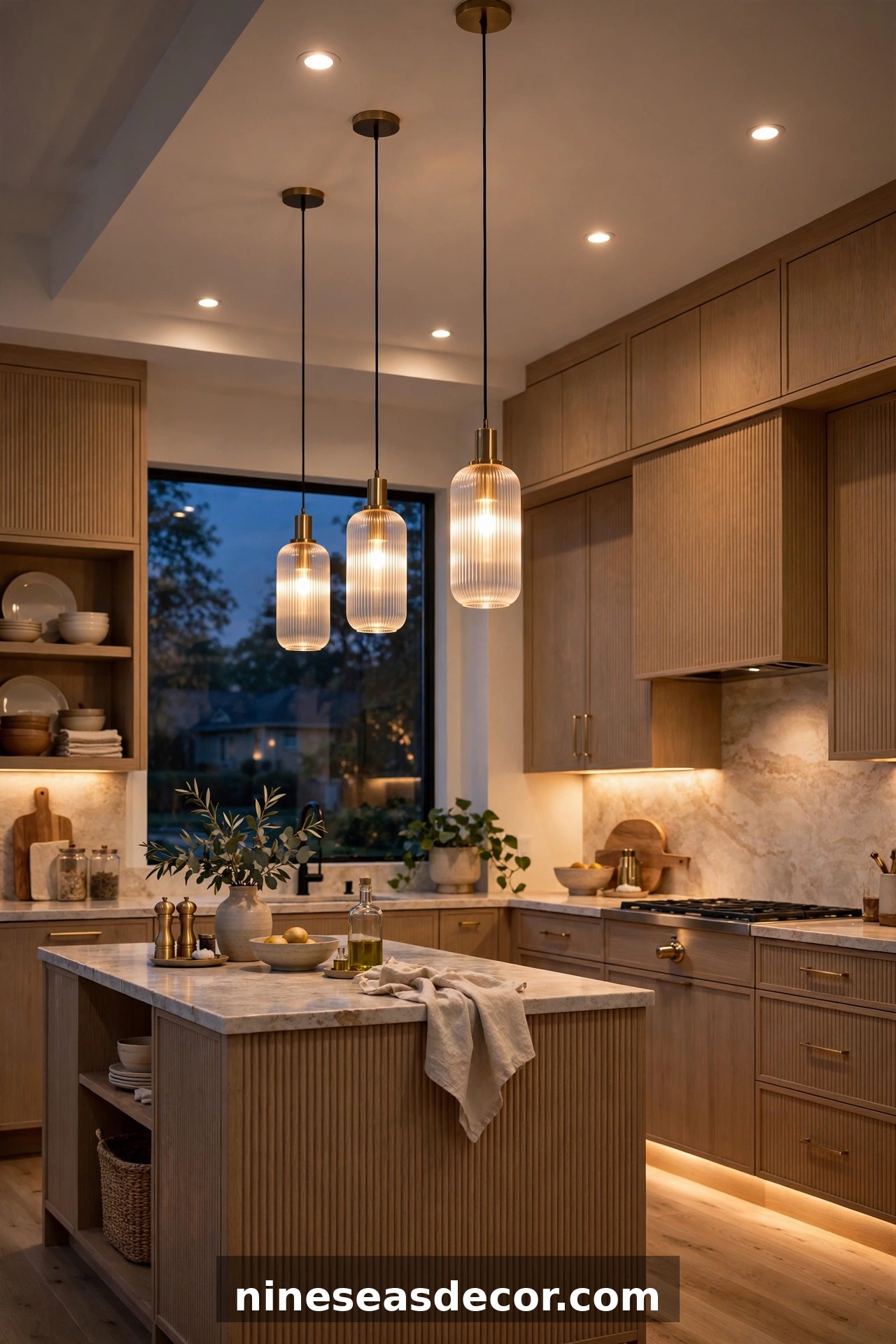
I will say it plainly: lighting is the single most underestimated element in any kitchen makeover. Homeowners obsess over countertops and cabinets and tile, then throw a single overhead fixture in the middle of the room and wonder why the kitchen still feels wrong. Great lighting design is not about one light source. It is about layering multiple types of light to serve different functions and create a space that feels both beautifully illuminated and genuinely functional to work in.
A well-lit kitchen uses three layers of lighting working together. Ambient lighting provides overall illumination for the room. Task lighting provides focused light exactly where you need to do work, at the counter, above the sink, inside cabinets. Accent lighting creates atmosphere and highlights design features. Most existing kitchens have only ambient lighting, typically a single flush-mount or semi-flush ceiling fixture that creates flat, unflattering light and leaves the countertops in shadow because your own body blocks the overhead source while you work. This is fixable, and the fix does not have to be expensive.
UNDER CABINET LIGHTING THAT CHANGES EVERYTHING
Under cabinet lighting is the upgrade that consistently generates the most enthusiastic reactions from homeowners who add it. The difference between a counter lit from below by dedicated task lighting versus the same counter lit only by an overhead source is remarkable. You go from a dim, shadowy work surface to a bright, welcoming, functional one. The most popular option in 2026 is LED strip lighting, which runs approximately ($15 to $30 per linear foot) installed and comes in a range of color temperatures from warm (2700K) to cool white (4000K). For a kitchen, I typically recommend (2700K to 3000K) for a warm, inviting glow that is still bright enough for food prep. Plug-in puck lights are an even simpler option at ($20 to $80 for a set) and require zero electrical work.
PENDANT LIGHTS OVER THE ISLAND OR PENINSULA
Pendant lights over a kitchen island or peninsula serve double duty as both task lighting and decorative statement. Choosing them correctly requires attention to both scale and spacing. As a general rule, pendants should hang (28 to 36 inches) above the countertop surface for a standard (36 inch) high island. For islands over (4 feet long), use at least two pendants spaced (24 to 30 inches) apart. For islands over (6 feet long), three pendants is typically the right number. In terms of pendant sizing, a pendant with a (8 to 10 inch) diameter works over a narrow peninsula while a (12 to 16 inch) diameter pendant makes more visual sense over a large island. The pendant finish should coordinate with your cabinet hardware but does not have to match exactly. A slight variation in metal tones reads as intentionally curated rather than mismatched.
RECESSED LIGHTING LAYOUT FOR EVEN ILLUMINATION
Recessed lighting, also called can lights or downlights, provides the ambient layer in most contemporary kitchens. The most common mistake with recessed lighting is either too few fixtures creating dark spots or too many creating an over-lit, commercial feel. The standard recommendation for recessed light spacing is to divide the ceiling height in half. In a kitchen with (8 foot) ceilings, space recessed lights approximately (4 feet) apart in a grid pattern. Place them (18 to 24 inches) from walls to avoid casting light directly onto the wall rather than into the room. The standard recessed light size for residential kitchens is (4 inch) or (6 inch) trim diameter. In 2026, LED wafer lights have largely replaced traditional can lights for renovation projects because they require no housing can, just a shallow housing that fits within (2.5 inches) of ceiling depth.
Flooring, Color, And The Finishing Touches That Complete Your Makeover
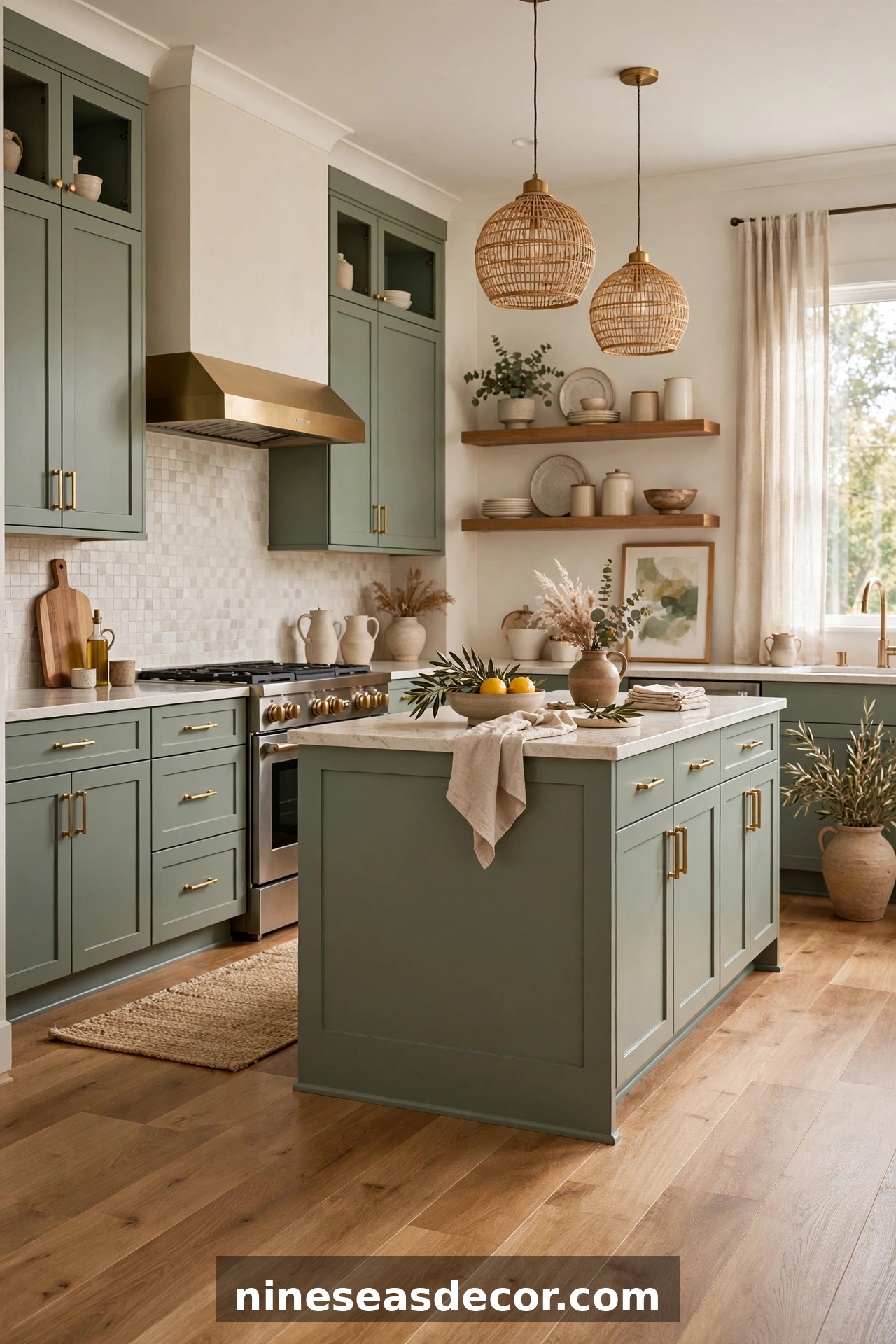
We have covered the big structural and material decisions. Now we arrive at the elements that tie the entire kitchen makeover together into a cohesive, finished space. Flooring, wall color, and the decorative details might feel like afterthoughts compared to cabinets and countertops, but they are actually the framework that makes everything else read correctly. The wrong floor under the right cabinets still produces a wrong result.
Kitchen flooring in 2026 must balance aesthetics with serious durability requirements. Kitchens experience constant foot traffic, spills, dropped items, chairs being dragged, and pet claws. This is not the room for delicate materials. The most popular kitchen flooring options in 2026 are luxury vinyl plank (LVP), porcelain tile, hardwood, and engineered hardwood. LVP has become the dominant choice for kitchen renovations, priced at ($2 to $7 per square foot) for material and ($1.50 to $3 per square foot) for installation. It is waterproof, scratch-resistant, comfortable underfoot, and available in an enormous range of wood and stone looks. Porcelain tile remains the gold standard for longevity and water resistance at ($3 to $10 per square foot) material cost. Solid hardwood is not recommended for kitchens with heavy moisture exposure, but engineered hardwood handles kitchen conditions much better.
WALL COLORS THAT MAKE KITCHENS SING
The wall color in a kitchen is tricky because it has to work with your cabinet color, your countertop, your flooring, and your hardware simultaneously. According to a 2023 study published in the Journal of Interior Design, warm-toned wall colors in kitchens consistently scored higher in user satisfaction surveys compared to cool or neutral tones, with respondents describing warm-walled kitchens as feeling more welcoming and appetizing. For kitchens with white or off-white cabinets, Sherwin-Williams Accessible Beige (SW 7036) on the walls adds warmth without feeling yellow. Benjamin Moore Revere Pewter (HC-172) is a greige that reads differently in every light and works beautifully with both warm and cool cabinet colors. For a bolder direction, Sherwin-Williams Rookwood Dark Green (SW 2809) on walls with cream cabinets is a combination that has been absolutely everywhere in 2025 and 2026 editorial features.
KITCHEN ORGANIZATION AND STORAGE AS PART OF THE MAKEOVER
A beautiful kitchen that is functionally chaotic is still a frustrating kitchen. Integrating thoughtful storage solutions into your makeover is not a nice-to-have, it is essential. The most impactful storage updates with the most reasonable cost profiles are pull-out cabinet organizers ($30 to $150 each), drawer dividers for utensils and cutlery ($20 to $80), lazy Susans for corner cabinets ($40 to $120), and vertical tray dividers for baking sheets and cutting boards ($15 to $60). Inside deep base cabinets, pull-out drawer inserts that convert the cabinet into a multi-level drawer system eliminate the frustrating experience of kneeling on the floor trying to access items at the back of the cabinet. These additions transform functional satisfaction with a kitchen dramatically, which matters because a 2024 Houzz survey found that 64 percent of homeowners who renovated their kitchens cited improved organization as a top priority.
DECORATIVE FINISHING TOUCHES THAT ELEVATE THE SPACE
The finishing touches are what separate a kitchen that looks renovated from a kitchen that looks designed. These are the details that make guests say “this feels so thoughtful.” Start with your faucet, which is the most-touched fixture in the kitchen and worth investing in. A quality faucet runs ($150 to $600) and makes an enormous visual impact. Match the finish to your cabinet hardware for cohesion. Add a statement light over the sink if you do not have one already. Bring in living plants, a trailing pothos on a high shelf or a small herb garden on the windowsill, to introduce organic life into the space. Invest in a quality kitchen runner rug in front of the sink and stove, typically sized (2×6 feet) or (2×8 feet), which adds warmth, reduces fatigue from standing, and provides a grounding layer that ties the color story of the room together.
Frequently Asked Questions
HOW MUCH DOES A KITCHEN MAKEOVER COST IN 2026?
The cost of a kitchen makeover in 2026 depends heavily on the scope of work you are planning. A purely cosmetic makeover that includes cabinet painting, new hardware, updated lighting fixtures, and a fresh coat of wall paint typically runs between ($2,000 and $8,000) depending on the size of the kitchen and whether you hire professionals or complete any work yourself. A mid-range makeover that includes new countertops, cabinet refacing, new flooring, and updated plumbing fixtures generally falls between ($15,000 and $35,000). A high-end makeover or partial renovation that includes new semi-custom cabinetry, premium countertops, professional lighting design, and appliance upgrades can easily reach ($40,000 to $75,000). According to the 2024 Remodeling Cost vs. Value Report published by Remodeling Magazine, a mid-range major kitchen remodel in the US averages $77,939 with a return on investment of approximately 49 percent. Always set aside a 10 to 15 percent contingency fund for unexpected issues discovered during the project.
WHAT IS THE BEST LAYOUT FOR A SMALL KITCHEN MAKEOVER?
For kitchens under (150 sq ft), the galley layout is typically the most efficient design option because it places two parallel runs of cabinetry and countertop facing each other, creating a concentrated and highly functional work zone with minimal wasted space. The galley configuration works best when the corridor between the two sides measures at least (42 inches) wide for a single-cook kitchen or (48 inches) wide for a household with multiple cooks working simultaneously. The L-shaped layout is an excellent alternative for small kitchens that open onto a dining

Hi, I’m Sophia Rose. I believe every home tells a story. At Nine Seas Decor, I share creative ideas, budget-friendly tips, and modern trends to help you turn your living space into a sanctuary. Let’s make your home beautiful, one corner at a time!