
kitchen-color-schemes-2026
You’ve been staring at those builder-grade beige walls for three years now, haven’t you? Every morning you pour your coffee, look around, and think “something has to change in here.” Maybe you’ve pinned a hundred ideas on Pinterest, maybe you’ve grabbed a dozen paint swatches that are still stuck to your refrigerator door with a magnet. You know the kitchen needs a refresh, but the moment you actually have to commit to a color, your brain goes completely blank. This is one of the most common conversations I have with readers, and trust me, you are not alone in this paralysis.Here’s what the research actually says about color choices in the kitchen. According to a 2023 study published in the Journal of Environmental Psychology, color environments in kitchens directly influence appetite, mood, and even how long family members linger in the space. Warm tones like terracotta and golden yellow increase social interaction time by up to 23%, while cooler tones like sage green and soft blue have been linked to reduced stress during meal preparation. This isn’t just about aesthetics anymore. The colors you choose have real, measurable effects on your daily life.In this guide, I’m going to walk you through everything you need to know about kitchen color schemes in 2026. We’re covering the trending palettes that are dominating design right now, the timeless combinations that never go out of style, how to match your color scheme to your kitchen’s size and lighting conditions, the best cabinet paint colors, wall color pairings, and even the accent colors that bring everything together. I’ll give you real paint codes, real costs, and real measurements so you can walk into your local paint store fully prepared.I’m Sophia Rose, and I’ve been writing about home decor for over a decade here at NineSeasDecor.com. I’ve toured hundreds of renovated kitchens, interviewed professional designers, tested paint samples on real walls in different lighting conditions, and made my own share of color mistakes so you don’t have to. The advice in this article comes from hands-on experience combined with the latest industry research, and I will always give you the honest truth, even when that means telling you a trend you love might not work in your specific space.
Why Kitchen Color Schemes Matter More Than You Think
Let’s get one thing absolutely clear right away. Choosing a kitchen color scheme is not a purely decorative decision. It is one of the highest-impact, highest-return design choices you can make in your entire home. The kitchen is statistically the most used room in the average American household, with most families spending between 2 to 4 hours per day in the space between cooking, eating, homework, and casual gathering. That means your color environment is working on your brain and your family’s emotions every single day.
According to the 2024 Houzz Kitchen Trends Study, kitchen renovations that include a full color refresh, meaning new cabinet colors and wall colors, see an average satisfaction increase of 71% among homeowners compared to renovations that only update appliances or countertops. Color is the single most accessible and often most affordable transformation you can make. A full kitchen repaint including walls and cabinets can run anywhere from $800 to $4,500 depending on your kitchen size, the quality of painter you hire, and the number of coats required, which is a fraction of the cost of a full renovation.
The other reason color matters so deeply is resale value. The National Association of Realtors (NAR) 2024 Remodeling Impact Report found that kitchens with updated, neutral-to-warm color palettes consistently attracted higher offers and shorter listing times compared to kitchens with outdated or heavily personalized color choices. Buyers emotionally connect to a kitchen’s color environment within seconds of walking in, long before they notice the countertops or appliances.
THE PSYCHOLOGY OF KITCHEN COLORS
Understanding basic color psychology before you pick up a single swatch will save you a lot of regret. Warm colors like reds, oranges, yellows, and their muted cousins like terracotta and cream create a sense of warmth, energy, and appetite stimulation. This is not coincidence. These are the tones found in food itself, in harvest, in fire. Your brain is hardwired to associate these shades with nourishment and comfort. Cool colors like blues, greens, and grays create a sense of calm, cleanliness, and focus, which is why so many professional chefs actually prefer cooler-toned kitchens. They feel controlled and precise in those environments. Neutral palettes featuring whites, creams, taupes, and soft grays work as the great equalizers, maximizing light reflection, opening up smaller spaces visually, and providing the most flexible backdrop for accent colors and decor changes over time.
HOW LIGHTING AFFECTS YOUR COLOR CHOICES
This is the mistake I see most often, and it genuinely breaks my heart because it is so preventable. A color that looks absolutely stunning in the paint store or on your phone screen can look completely different on your actual kitchen wall. Natural light direction changes everything. A north-facing kitchen receives cooler, bluer light throughout the day, which means cool-toned paint colors will look even more intense and sometimes cold or unwelcoming. In a north-facing kitchen, I always recommend leaning warmer than you think you need to. A south-facing kitchen gets warm golden light for most of the day, which means almost any color palette will look beautiful and saturated. East-facing kitchens get that gorgeous warm morning light and cooler afternoon light, while west-facing kitchens are the opposite. Beyond natural light, your artificial lighting temperature matters enormously. Bulbs rated at 2700K to 3000K cast warm yellow light that enriches warm tones but can make cool grays look greenish. Bulbs at 3500K to 4000K cast a cleaner, more neutral white light that works better across a wider range of palette choices. Always test your paint samples under your actual kitchen lighting conditions before committing.
The Top Kitchen Color Scheme Trends for 2026
Every year I dig into what the major paint companies, design associations, and renovation platforms are reporting, and 2026 is bringing some genuinely exciting direction shifts. We’re moving away from the all-white-everything dominance that defined the 2010s and the gray saturation of the early 2020s. What’s emerging now is a much more layered, more personal, more emotionally rich approach to kitchen color. Homeowners want their kitchens to feel like an extension of their personality rather than a showroom floor. They want warmth. They want depth. They want color that tells a story.
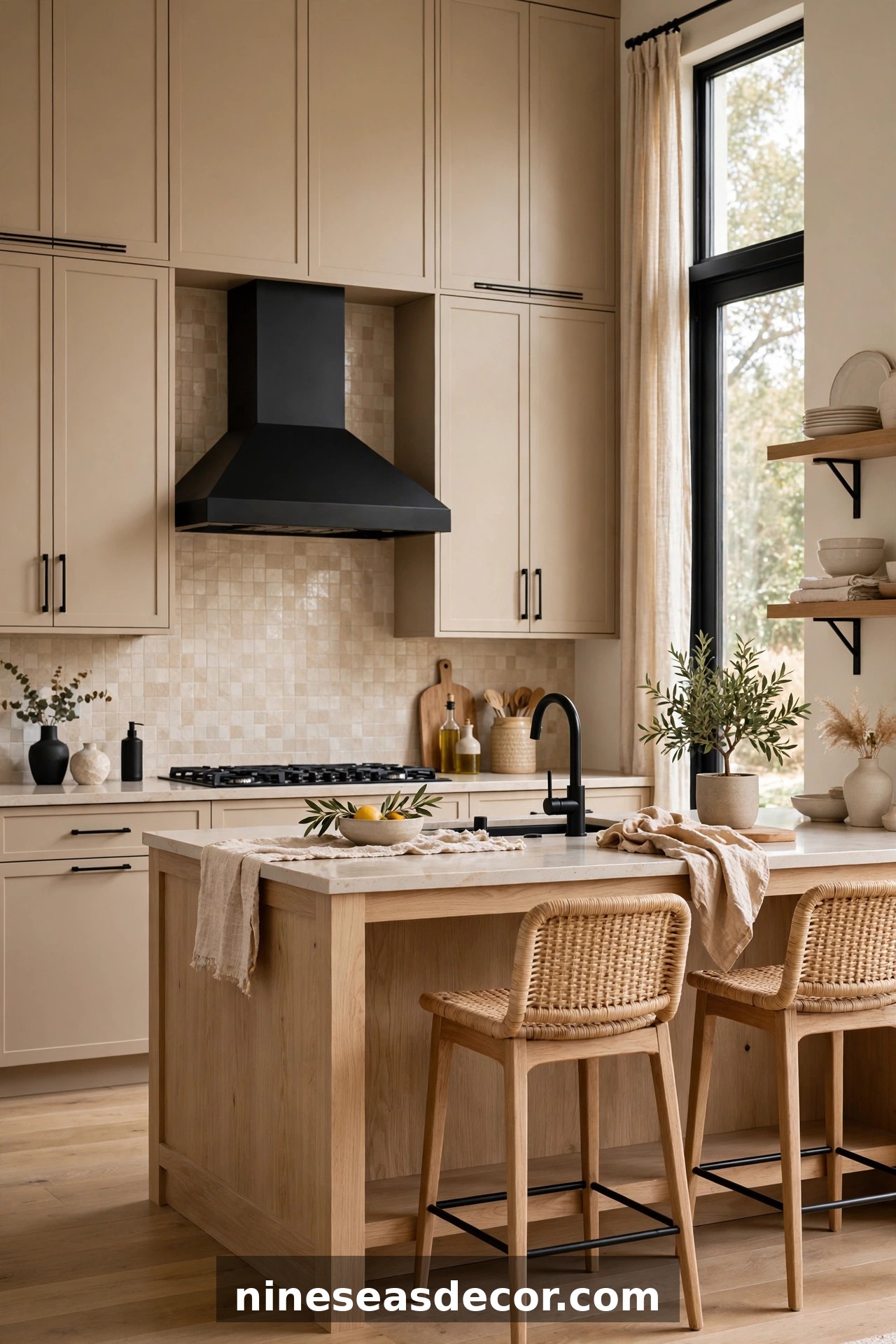
The biggest macro trend I’m seeing across every major design publication and in the renovation data from Houzz is what designers are calling warm naturalism. This means color palettes drawn from the natural world, earthy tones, organic textures, and colors that feel like they belong to the landscape rather than a hardware store chip rack. Think warm clay tones, deep forest greens, aged brass accents, and creamy off-whites that read warm rather than stark. These palettes feel simultaneously fresh and timeless, which is exactly what you want when you’re investing thousands of dollars in a kitchen update.
The second big trend is two-tone cabinetry, and this one has real staying power because it allows you to play with color without overwhelming a space. The most popular execution pairs a deeper, saturated lower cabinet color with lighter, more neutral upper cabinets, creating visual weight at the bottom and an airy feel at the top. Costs for a two-tone cabinet paint job in a standard (10×12 foot) kitchen typically run between $1,200 to $3,000 depending on cabinet count and finish quality.
THE EARTHY WARM PALETTE TREND
The earthy warm palette for 2026 is anchored by colors like Sherwin-Williams Antique White (SW 6119), Benjamin Moore Pale Almond (OC-14), and deeper accent tones like Sherwin-Williams Cavern Clay (SW 7701). These palettes draw inspiration from Southwestern adobe architecture, Tuscan farmhouses, and the broader biophilic design movement. The magic of this palette is in the layering. You might have warm cream walls, terracotta lower cabinets, natural wood open shelving, and aged brass hardware, and every single element speaks the same warm, earthy language. Countertops in honed travertine or butcher block in the $50 to $120 per square foot range pair beautifully with these tones. This is absolutely not a cold-weather-only palette, either. I’ve seen it look stunning in bright, sunlit kitchens from Florida to California.
THE MOODY DEEP COLOR TREND
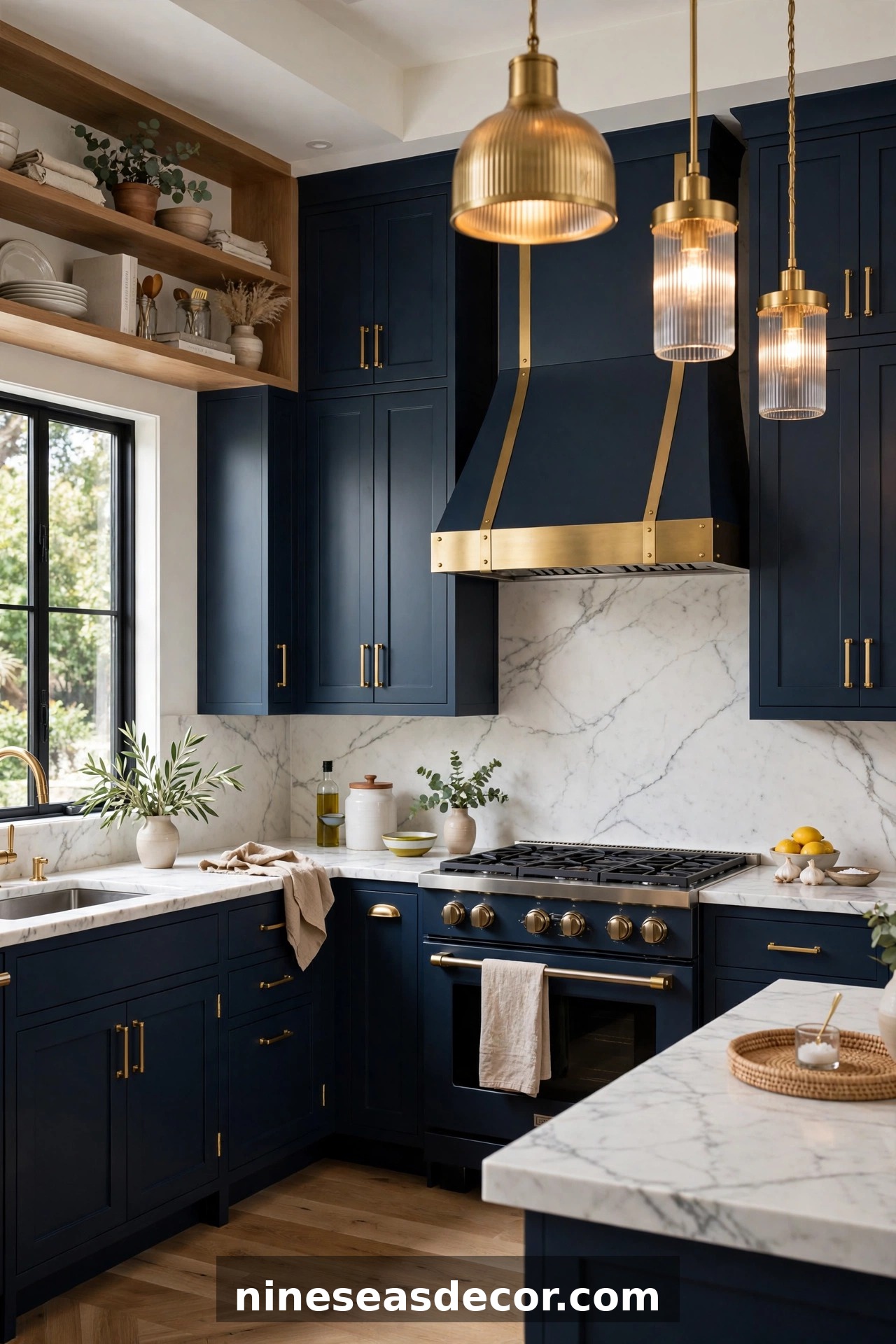
If you told me five years ago that deep navy, forest green, or charcoal black cabinets would be mainstream in American kitchens, I might have been skeptical. But here we are in 2026 and these bold, moody palettes have fully arrived. The key to making them work is contrast and light. Benjamin Moore Black Forest Green (2047-10) on lower cabinets paired with Benjamin Moore Chantilly Lace (OC-65) on upper cabinets and walls creates a kitchen that feels dramatic yet completely livable. Sherwin-Williams Naval (SW 6244) is another perennial favorite for navy cabinet lovers. These deep colors work best in kitchens that receive decent natural light, meaning a minimum of two windows or a skylight. In a truly dark kitchen under (150 sq ft) with limited windows, I’d steer you toward lighter variations of these tones rather than going full deep saturation. Deep cabinet colors typically cost the same to apply as light colors, but you may need additional primer coats, adding $100 to $300 to your total project cost.
Timeless Kitchen Color Combinations That Never Go Out of Style
Trends are exciting, but I always tell readers that the smartest investment is in a timeless color palette that you layer trends on top of through accessories, textiles, and small accent choices. The bones of your kitchen, meaning the cabinets, walls, and large surfaces, should ideally be colors that you can live with for 10 to 15 years without cringing. Here are the combinations that have genuinely passed the test of time.
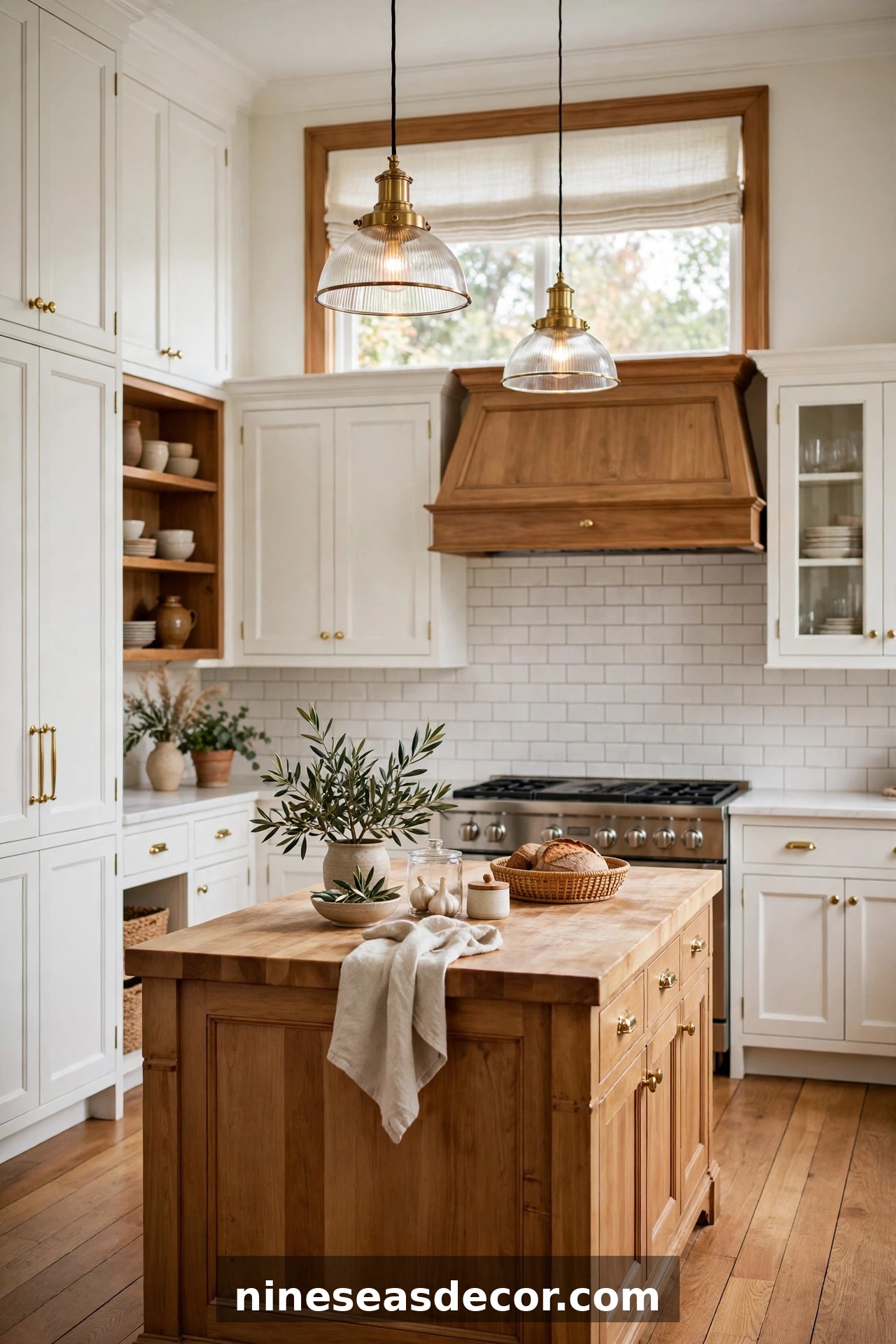
The classic white and wood combination remains the gold standard of timeless kitchen design for a reason. It is bright, it is clean, it maximizes light, and it provides a completely neutral backdrop. The secret is choosing a white with the right undertone for your space. Stark, blue-based whites like Sherwin-Williams Extra White (SW 7006) work beautifully in modern and contemporary kitchens with stainless steel and cool stone countertops. Creamy, yellow-based whites like Benjamin Moore White Dove (OC-17) or Sherwin-Williams Alabaster (SW 7008) feel warmer and more inviting, making them the top choice for farmhouse, transitional, and traditional style kitchens. Adding natural wood elements, whether through open shelving, a butcher block island, or wood flooring, gives this palette depth and prevents it from feeling sterile.
According to the National Kitchen and Bath Association (NKBA) 2024 Design Trends Report, white and off-white remain the most requested cabinet colors in kitchen renovations, with 62% of designers reporting clients still prefer lighter cabinet tones as their primary choice, even as bolder accent colors grow in popularity.
THE NAVY AND WHITE CLASSIC COMBINATION
Navy blue and white is the kitchen color combination equivalent of a perfectly tailored navy blazer. It is sophisticated, it is timelessly American, and it works across every kitchen size from a tiny (8×10 foot) galley to a sprawling (20×25 foot) open plan space. The key to executing this combination successfully is getting your navy right. Too purple and it reads feminine and dated. Too bright and it feels like a children’s bedroom. The sweet spot is a true, deep navy with slight gray undertones. My top recommendations here are Sherwin-Williams Naval (SW 6244), which is considered one of the most perfect navy blues in the entire paint world, and Benjamin Moore Hale Navy (HC-154), which has a slightly warmer, more teal-adjacent undertone that photographs beautifully. Pair with Benjamin Moore Chantilly Lace (OC-65) or Sherwin-Williams Pure White (SW 7005) on the walls and upper cabinets. Brass or gold hardware finishes this look perfectly and prevents it from feeling cold.
THE GREIGE AND WARM WOOD COMBINATION
Greige, the beloved blend of gray and beige, had its moment of pure trend status around 2015 to 2020, but it has settled beautifully into its permanent status as a true classic. The reason is simple: it is the most universally flattering neutral available. It reads warm enough to feel comfortable but cool enough to feel contemporary. The best greige options for kitchens include Sherwin-Williams Accessible Beige (SW 7036), one of the best-selling paint colors in the history of the brand, Benjamin Moore Revere Pewter (HC-172), which has a slightly more gray-forward undertone, and Sherwin-Williams Agreeable Gray (SW 7029), which consistently ranks as the most popular interior paint color in the United States. Pair any of these with warm wood tones in medium honey or walnut ranges, white subway tile backsplash, and oil-rubbed bronze or matte black hardware for a kitchen that feels effortlessly pulled together and will look just as relevant in 2036.
How to Choose the Right Color Scheme for Your Kitchen’s Size and Layout
One of the most important principles in kitchen color selection is that color choices should be responsive to your specific space, not just to your personal preferences in isolation. A color that looks gorgeous in a (20×20 foot) open plan kitchen with 10-foot ceilings and six windows might make a (9×11 foot) galley kitchen feel like a cave. Let’s break this down by size category so you can find the right approach for your actual kitchen.
For small kitchens under 150 sq ft, the primary color strategy should focus on maximizing the perception of space. This does not necessarily mean you have to choose white, though white is always a valid and effective option. It means you need to think about light reflectance value (LRV), the measurement of how much light a paint color reflects back into the room. Colors with an LRV of 70 or above are considered high-reflectance and will keep a small space feeling open. Beyond LRV, continuity matters. When you use the same color or very close tones on walls, cabinets, and even ceiling, you remove the visual breaks that make a space feel chopped up and smaller. This is called the enveloping color technique and it is genuinely magical in small kitchens.
For medium kitchens between 150 and 300 sq ft, you have much more flexibility. You can introduce two-tone cabinet schemes, an accent wall, or a more saturated palette without the risk of feeling closed in. This is the most forgiving size category for color experimentation.
For large kitchens over 300 sq ft, the challenge actually reverses. Too much of one light color can feel cold, clinical, and disconnected. In large kitchens, deeper colors, layered palettes, and strong color contrasts help create a sense of intimacy and visual interest that prevents the space from feeling like a hotel lobby.
COLOR STRATEGIES FOR SMALL GALLEY KITCHENS
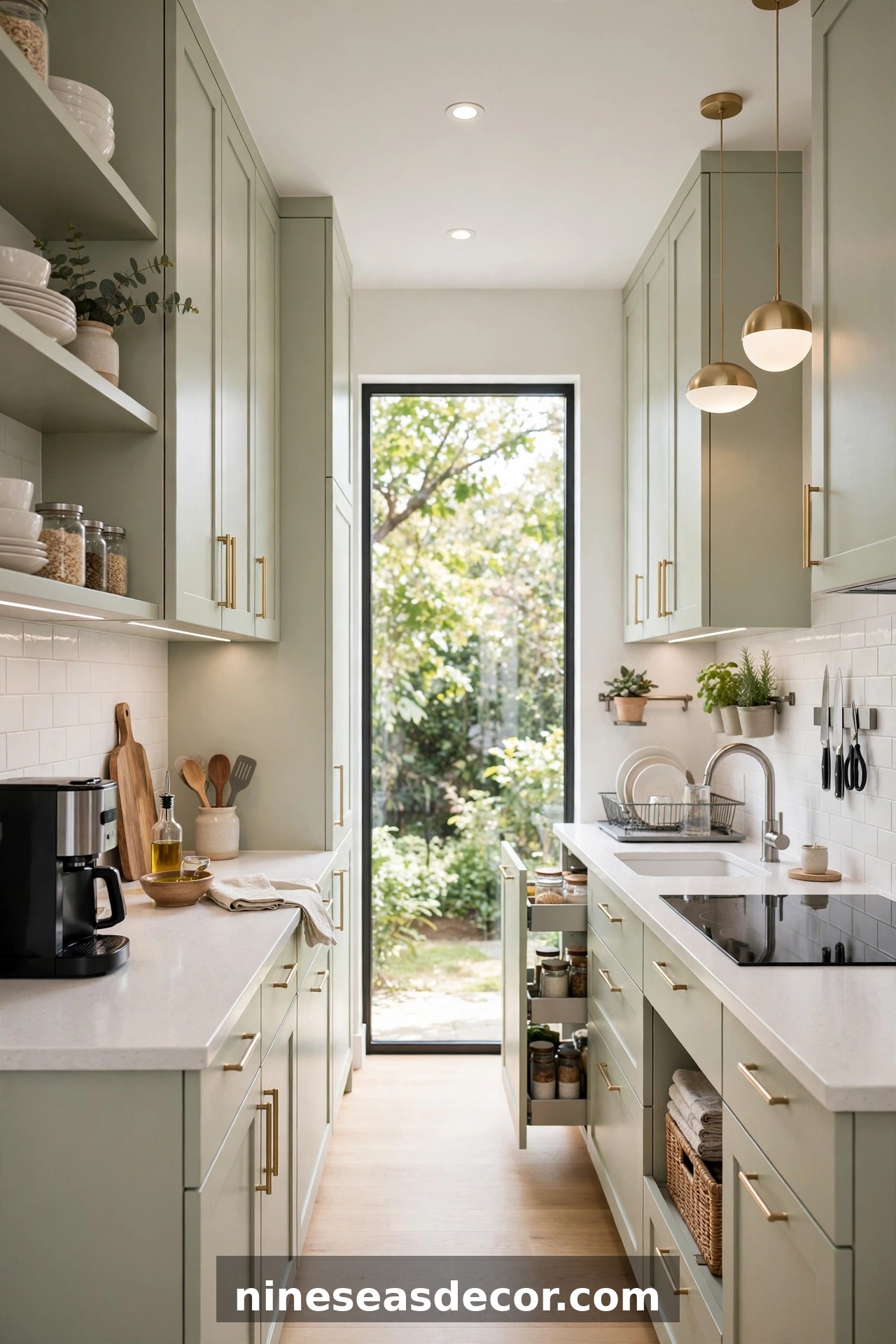
The galley kitchen is the layout I get the most color questions about, and honestly, it’s the layout where color decisions matter the most because the space offers so little room for error. A standard galley kitchen is typically (7 to 8 feet wide) with parallel counter runs on both sides, leaving a (3 to 4 foot) walkway between them. In this layout, I strongly recommend keeping upper cabinets and walls in the same light, high-LRV color. Sherwin-Williams Alabaster (SW 7008) or Benjamin Moore White Dove (OC-17) are both excellent choices here. If you want to introduce personality, do it through a statement backsplash rather than through cabinet or wall color. A boldly patterned or colorfully glazed tile backsplash in a (3×4 foot) area behind the range adds tremendous personality without making the walls close in. Keep hardware light, meaning polished nickel, brushed gold, or matte white, to continue reflecting light rather than absorbing it.
COLOR STRATEGIES FOR OPEN PLAN KITCHEN SPACES
The open plan kitchen that flows into a dining room or living area presents a completely different challenge. Now your kitchen color scheme must coexist and harmonize with the colors of adjacent spaces. The most effective approach is to use the kitchen color palette as an anchor point and let it inform the surrounding space. Choose one dominant color for kitchen cabinetry and repeat elements of that same color family in the adjacent living or dining area through textiles, artwork, or accent furniture. Aim for a 60-30-10 color rule in the kitchen: 60% dominant color (usually walls and large surfaces), 30% secondary color (usually cabinets or island), and 10% accent color (hardware, textiles, accessories). This ratio creates visual harmony without monotony. Open plan kitchens over (300 sq ft) also benefit from defining the kitchen zone with a slightly deeper or more saturated version of the home’s overall palette, creating a natural visual boundary even without walls.
The Best Cabinet Color Schemes for 2026
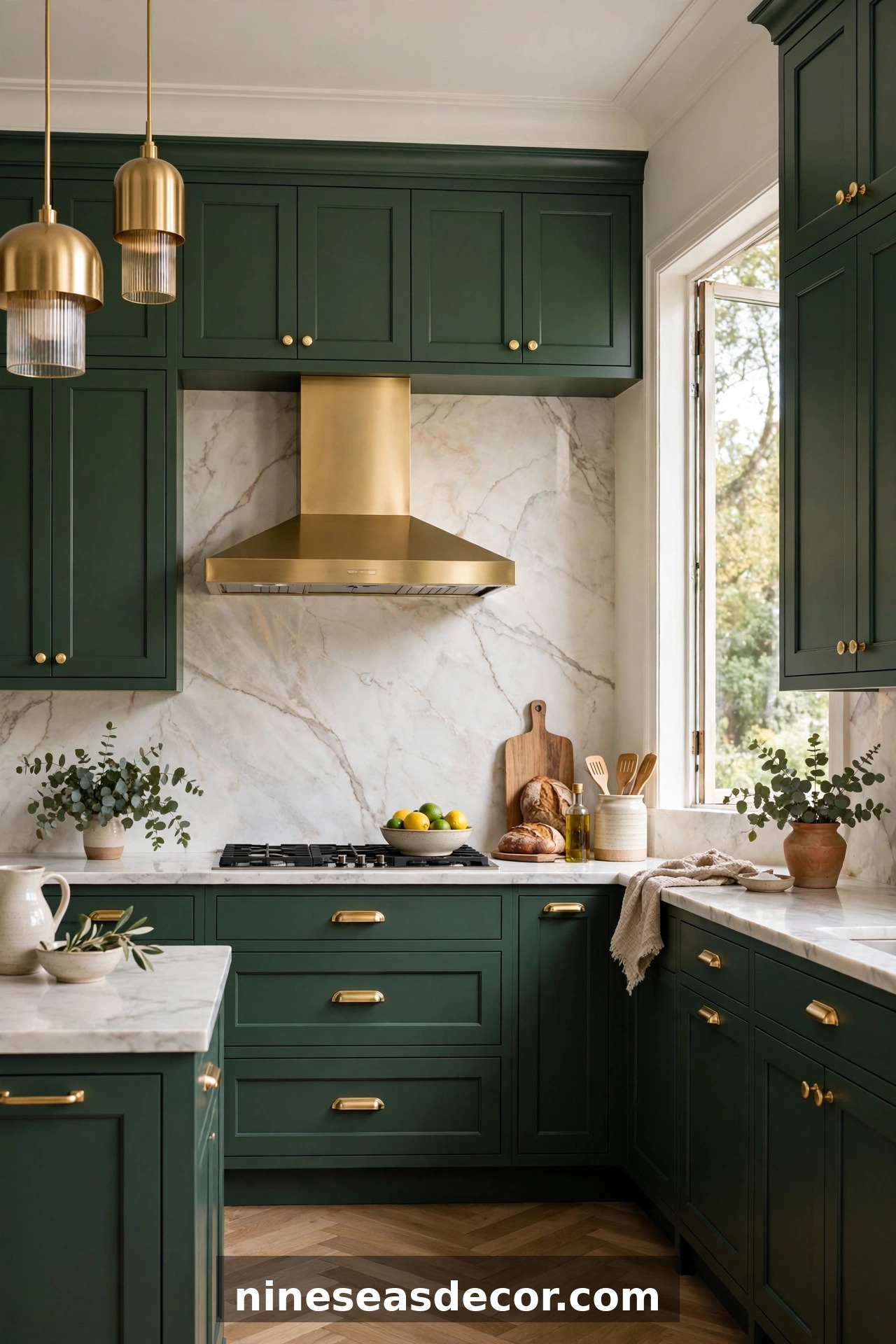
Cabinets are the single largest color surface in your kitchen. They can represent 40 to 60% of the total visible color in the space depending on your ceiling height and the number of upper versus lower cabinets you have. Getting the cabinet color right is the foundation of any successful kitchen color scheme, and it is absolutely worth investing in quality paint and proper preparation to make it last.
The good news is that painting kitchen cabinets has become significantly more accessible as a DIY project thanks to improved cabinet-specific paints that cure to a hard, washable finish. Products like Benjamin Moore Advance Waterborne Alkyd Paint (ranging from $60 to $85 per gallon), Sherwin-Williams Emerald Urethane Trim Enamel (ranging from $85 to $100 per gallon), and Behr Cabinet and Trim Paint (ranging from $45 to $60 per gallon) have transformed DIY cabinet painting from a risky endeavor into a genuinely achievable weekend project for a homeowner willing to do proper prep work.
If you hire a professional for cabinet painting, expect to pay between $1,500 to $5,000 for a standard kitchen, with the cost heavily influenced by the number of cabinet doors and drawer fronts, whether the doors are removed and sprayed (the preferred professional method) or painted in place, and the number of coats required. A spray-applied finish will always look more professional than a brush or roller finish, so if you’re investing in this project, that is the detail worth paying for.
THE BEST GREEN CABINET COLORS
Green cabinets are having a genuinely remarkable run right now and honestly I think they’ll be considered a classic color category within the next decade, much like navy already has been. The range of green available is enormous, from soft sage to deep forest to bright olive, and each reads completely differently in a kitchen. For the most versatile and broadly appealing green cabinet color in 2026, I keep coming back to Sherwin-Williams Sage (SW 2860), a soft, grayed sage that pairs beautifully with both warm wood tones and cool marble countertops. Benjamin Moore Calming Aloe (2144-40) is another beautiful option with slightly more blue in its undertone. For those who want drama, Sherwin-Williams Jasper (SW 6216) and Benjamin Moore Hunter Green (2047-10) deliver a deep, rich forest green that feels genuinely luxurious against brass hardware and white quartz countertops. Green cabinets pair particularly well with warm white or cream walls and natural wood or stone countertop surfaces.
THE BEST BLUE CABINET COLORS
Blue cabinets range from the softest whisper of coastal aqua to the deepest midnight navy, and the right choice depends entirely on your kitchen’s light conditions and your personal appetite for drama. For a softer, more romantic blue that reads almost as a neutral, try Benjamin Moore Iceberg (2122-50) or Sherwin-Williams Watery (SW 6478). These are the blue cabinet colors that even clients who say “I don’t think I can do blue cabinets” tend to fall in love with because they’re approachable and genuinely versatile. For a bolder statement, Sherwin-Williams Naval (SW 6244) remains the undisputed champion of deep blue cabinetry. Benjamin Moore Van Deusen Blue (HC-156) offers a slightly more teal-forward alternative that works beautifully in kitchens with warm wood floors. Blue cabinets of any shade look spectacular with brushed gold or unlacquered brass hardware, which is widely available in the $8 to $45 per piece range depending on style and quality.
Accent Colors and How to Use Them Effectively in Your Kitchen
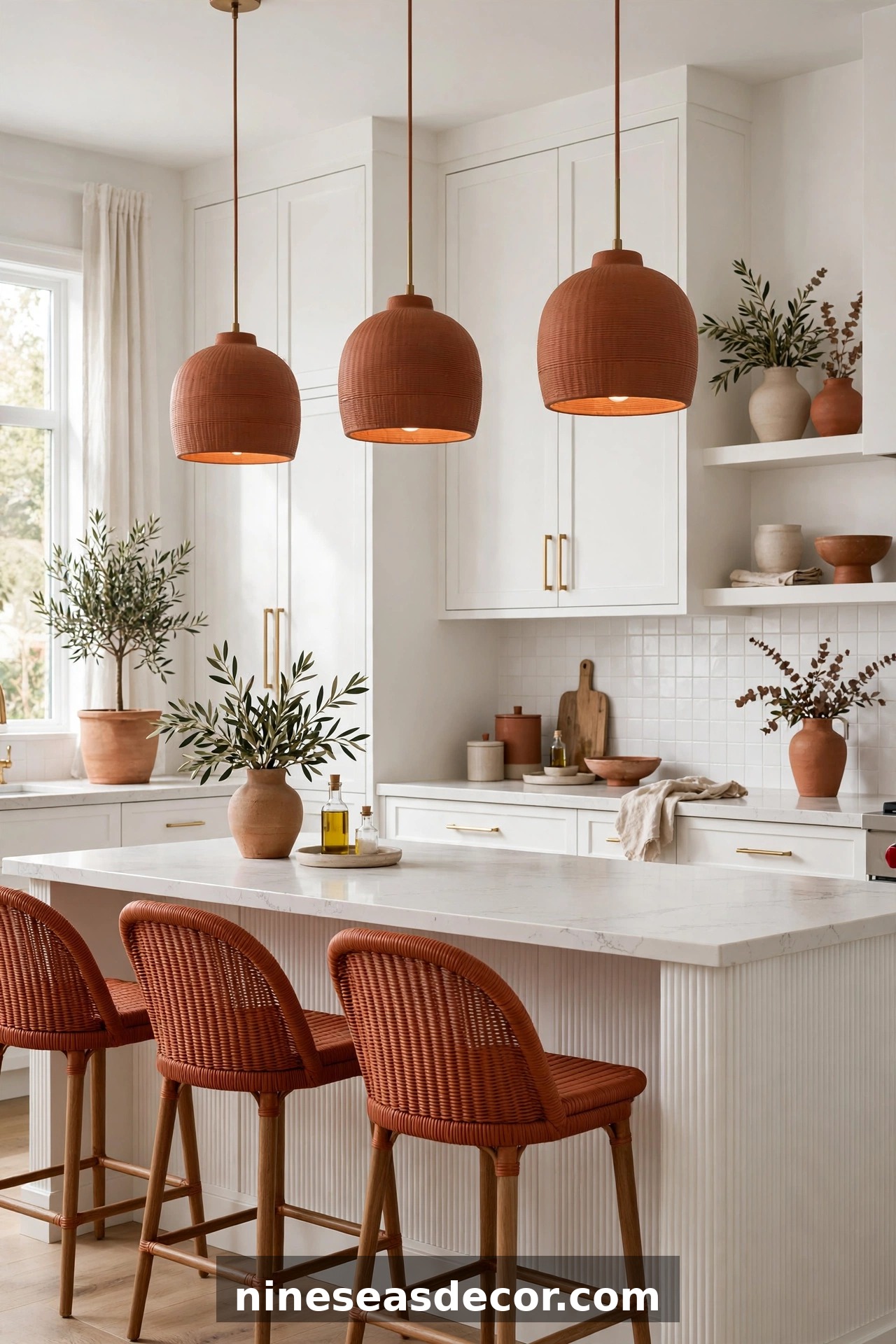
Here’s where so many kitchen color schemes fall apart. The main palette is chosen thoughtfully, the cabinets are painted beautifully, the walls are perfect, and then the homeowner either goes completely safe with every single accent choice (resulting in a beautifully executed but somehow boring space) or swings wildly with accent colors that fight with the main palette (resulting in a chaotic, visually stressful environment). The art of accent color use in a kitchen is about knowing exactly how much personality to inject and exactly where to inject it.
The most effective places for kitchen accent colors are the backsplash, kitchen island (if you have one), window treatments, small appliances, textiles like dish towels and seat cushions, and open shelf styling. These are all areas where color can be changed relatively easily and inexpensively if your tastes evolve, which means they’re much safer places to take risks than your cabinets or walls.
According to a 2024 survey by the National Kitchen and Bath Association (NKBA), kitchen islands painted in an accent color different from the surrounding cabinetry were among the top 5 most requested design features by homeowners in the survey, with 44% of respondents saying they planned to incorporate a contrasting island color in their next kitchen update. The average cost of repainting a kitchen island in a contrasting accent color ranges from $200 to $600 as a DIY project and $400 to $1,200 professionally.
USING BACKSPLASH TILE AS AN ACCENT COLOR VEHICLE
The backsplash is the single most impactful accent color opportunity in any kitchen, and I think it’s an underutilized tool. Most homeowners default to white subway tile because it’s safe and broadly appealing (and absolutely valid), but a colorfully glazed backsplash tile can be the element that transforms an otherwise neutral kitchen from pleasant to extraordinary. Consider hand-painted Moroccan-style tiles in the (3×3 inch) format in deep blue and white patterns for a Mediterranean-inspired kitchen. Or a terracotta zellige tile in a warmer kitchen with earthy cabinet tones. Or a classic emerald green subway tile in the (3×6 inch) format for a bold, jewel-toned kitchen scheme. Backsplash tile costs vary widely, from $5 to $50 per square foot for the tile itself, with installation adding another $10 to $30 per square foot. The typical kitchen backsplash area measures between (30 to 45 sq ft), making a full backsplash project cost between $450 to $3,600 depending on tile choice and whether you DIY the installation.
USING HARDWARE AND FIXTURES AS ACCENT COLOR ELEMENTS
Cabinet hardware and plumbing fixtures are the jewelry of the kitchen, and they punch far above their weight in terms of visual impact relative to their actual surface area. A kitchen with plain white cabinets and brushed nickel hardware reads completely differently from the same kitchen with the same cabinets and unlacquered brass or matte black hardware. Hardware costs are genuinely accessible. Basic cabinet pulls run from $2 to $8 per piece at big box stores, while designer hardware from brands like Rejuvenation or House of Antique Hardware can run $15 to $65 per piece or more. A full kitchen hardware update including pulls, knobs, and hinge replacement in a standard (12×12 foot) kitchen might require between 30 to 60 pieces, putting the total hardware investment anywhere from $60 to $3,900 depending on quality tier. Matte black fixtures pair beautifully with white, cream, or warm gray palettes. Brushed gold elevates green and navy cabinet colors. Polished chrome reads clean and modern against cool-toned palettes.
How to Test and Commit to Your Kitchen Color Scheme
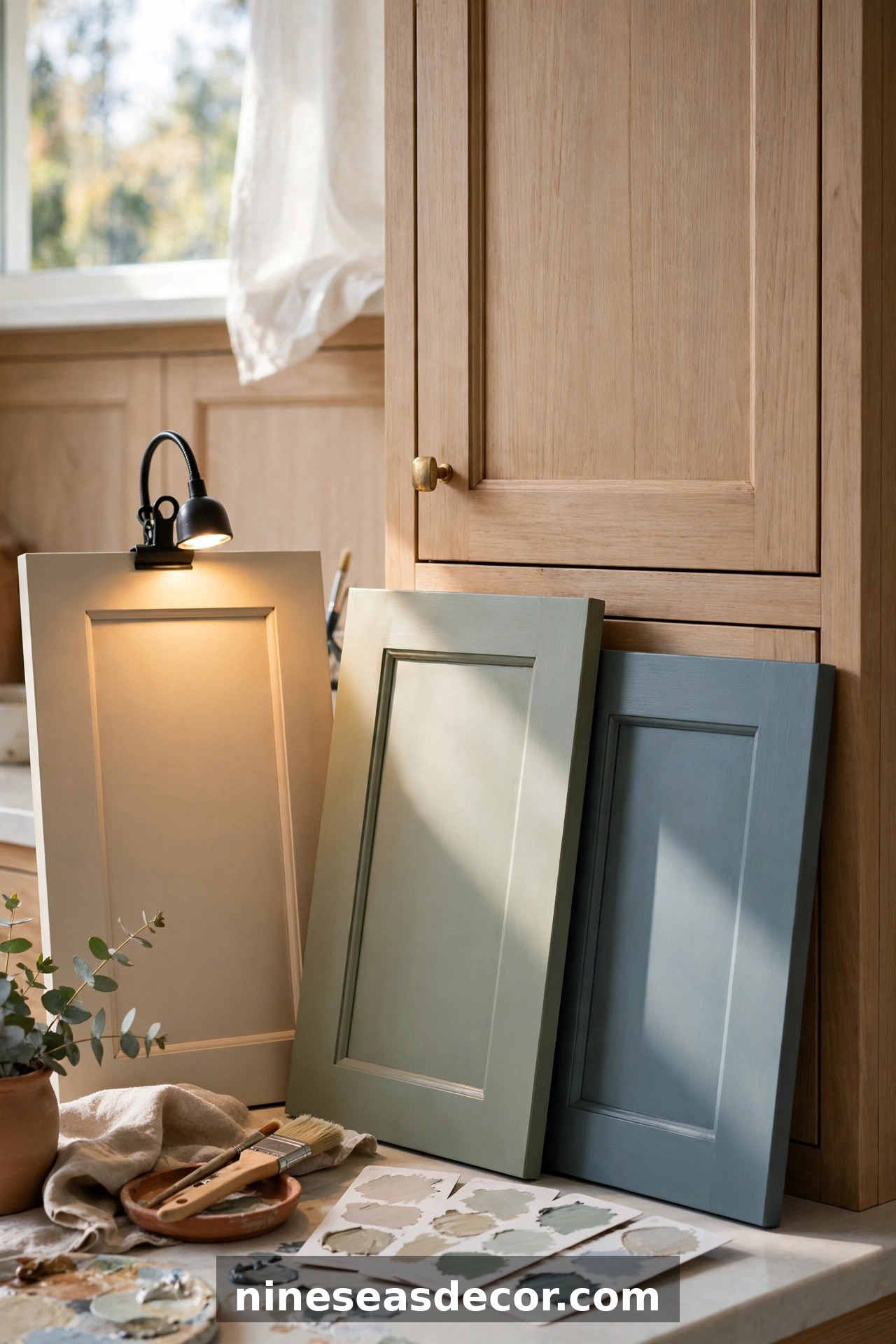
I cannot tell you how many times I’ve heard from readers who chose a paint color from a tiny chip, painted an entire kitchen, and then hated the result. The number one rule of kitchen color selection is: always test before you commit. And I don’t mean tape a 2-inch swatch to the wall. I mean really test, properly, in your actual conditions.
The best testing method available to homeowners right now is large-scale sample boards. Most major paint retailers including Sherwin-Williams and Benjamin Moore offer sample quarts for between $5 to $12 each. Take those sample quarts home and paint them onto large white foam boards or poster boards (at least 12×18 inches, and bigger is better). Place those boards on your actual cabinet surfaces, your walls, and your countertops. Move them around throughout the day. Look at them in the morning light, the afternoon light, your overhead LED light in the evening, and even candlelight if you entertain. Do this for at least 48 to 72 hours before making any final decisions.
Better yet, consider investing in a digital color visualization service. Both Benjamin Moore and Sherwin-Williams offer free apps, and services like Houzz’s View in My Room tool allow you to upload photos of your actual kitchen and digitally apply paint colors to see a realistic preview before spending a single dollar on paint. These tools are not perfect, but they’re extraordinarily useful as a first-pass filter to eliminate obvious mismatches.
THE IMPORTANCE OF PAINT FINISH SELECTION
The color you choose is only half the equation. The paint finish you select dramatically affects how that color reads in your space and how practical it will be in a kitchen environment. The kitchen is a high-humidity, high-grease, high-splatter environment, and your finish choice needs to account for that reality. For kitchen walls, I recommend a minimum of eggshell finish (which has a very slight sheen and is cleanable) with satin finish being even better for easier cleaning. Never use flat or matte paint on kitchen walls. You will regret it the first time you try to wipe off a grease splash. For kitchen cabinets, you want a semi-gloss or a hard-curing satin specifically designed for cabinetry. These finishes repel moisture, resist grease, and withstand the repeated cleaning that cabinet surfaces require. Using the wrong finish on cabinets, meaning anything below a satin sheen, will result in a finish that scuffs, stains, and absorbs grease, requiring a full repaint within just a few years. The right finish investment at the beginning saves you hundreds of dollars down the road.
WORKING WITH YOUR EXISTING COUNTERTOPS AND FLOORING
Unless you’re doing a complete gut renovation, you almost certainly have existing countertops and flooring that your new color scheme needs to work around. This is the real-world constraint that design inspiration photos never account for, because in those photos everything was chosen together from scratch. In your actual kitchen, you might have beige laminate countertops, or outdated oak flooring, or dark granite that you can’t afford to replace right now. The good news is that with the right color strategy, almost any existing surface can be worked with rather than against. Beige or cream countertops play beautifully with warm whites, creams, sage greens, and soft blues. Avoid cool stark whites, which will make them look dingy by comparison. Dark granite is actually an incredible canvas for both light and dark cabinet colors because its depth and movement read as a natural neutral. Oak flooring with its warm orange undertones works best with warm cabinet colors, earthy tones, cream walls, and terracotta accents. Cool grays and blues can clash noticeably with honey oak unless you have enough warm accent elements to bridge the two color temperatures.
Frequently Asked Questions
WHAT ARE THE MOST POPULAR KITCHEN COLOR SCHEMES FOR 2026?
The most popular kitchen color schemes for 2026 center around warm naturalistic palettes, deep moody tones, and layered two-tone cabinet combinations. Specifically, warm cream and terracotta combinations anchored by colors like Sherwin-Williams Accessible Beige (SW 7036) and Sherwin-Williams Cavern Clay (SW 7701) are trending strongly. Deep green and white two-tone combinations using Benjamin Moore Hunter Green (2047-10) on lower cabinets and Benjamin Moore Chantilly Lace (OC-65) on uppers are extremely popular. Navy and brass combinations with Sherwin-Williams Naval (SW 6244) cabinets continue to perform well. Overall, the shift is away from cold grays and stark whites toward warmer, more layered palettes with natural material pairings. According to the 2024 Houzz Kitchen Trends Study, warm white and off-white tones remain the most chosen cabinet colors at 62% of projects, but saturated cabinet colors grew by 18% year over year.
HOW MUCH

Hi, I’m Sophia Rose. I believe every home tells a story. At Nine Seas Decor, I share creative ideas, budget-friendly tips, and modern trends to help you turn your living space into a sanctuary. Let’s make your home beautiful, one corner at a time!