
living-room-furniture-2026
You know that feeling when you finally bring home that gorgeous sofa you’ve been eyeing for weeks, wrestle it through the front door, position it in your living room, and then just… stand there, deflated? It’s too big. Or too small. Or it completely blocks the natural light. Or the color clashes with everything else you own. Yeah, I’ve seen this mistake a thousand times. Homeowners spend hundreds, sometimes thousands, of dollars on living room furniture without a real plan, and the result is a space that feels off in ways they can’t always articulate. The truth is, choosing living room furniture isn’t just about finding pieces you love in isolation. It’s about understanding how scale, proportion, flow, and function all work together inside one specific room.According to a 2024 report published by Houzz in their annual Home Trends Study, living rooms are the single most renovated space in the American home, with over 58% of US homeowners updating their living room within any given three year period. That same report noted that furniture selection was the number one source of regret among renovators, outranking paint color, flooring, and even lighting choices. The message is clear. Most people are getting this wrong, not because they have bad taste, but because nobody ever taught them the rules, and when to break them.This guide is going to walk you through everything you need to know about selecting, sizing, arranging, and styling living room furniture in 2026. We’re covering sofa sizing, coffee table proportions, area rug dimensions, furniture layout strategies for rooms of all shapes and sizes, current furniture trends, budget breakdowns, material choices, and how to tie it all together with color. Whether you’re furnishing a brand new space or refreshing what you already have, this is the complete resource you’ve been looking for.
I’m Sophia Rose, and I’ve been writing about home decor and interior design for NineSeasDecor.com for years. I’ve consulted with licensed interior designers, reviewed the latest research from the National Kitchen and Bath Association (NKBA), the American Society of Interior Designers (ASID), and design publications from around the country. I’ve also made my fair share of furniture mistakes in my own home, which honestly taught me more than any textbook ever could. So trust me when I say: this guide is built on real knowledge, real numbers, and real results.
Understanding Living Room Scale and Proportion
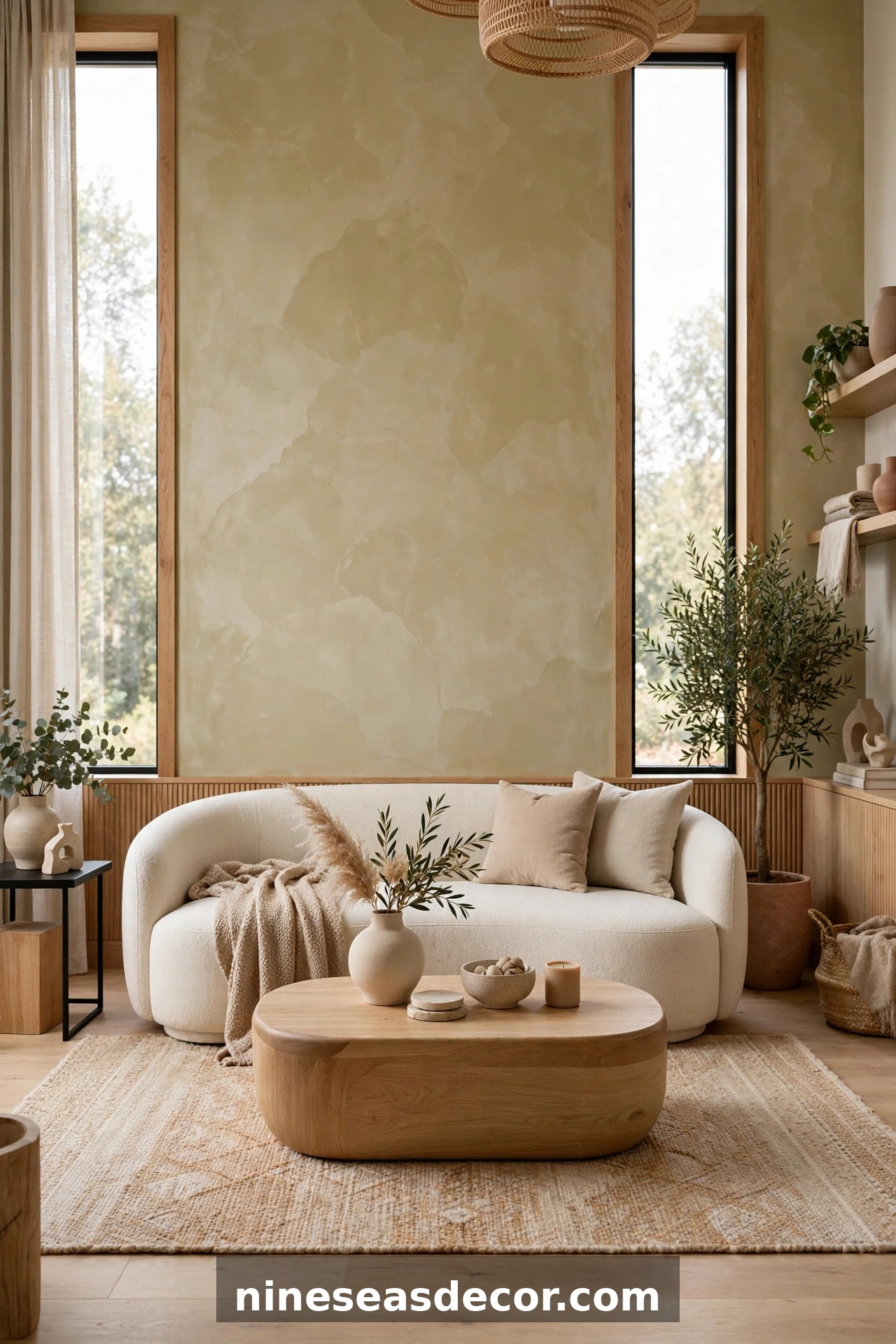
The single biggest mistake I watch homeowners make year after year is ignoring scale and proportion when shopping for living room furniture. People fall in love with a piece in a showroom, surrounded by soaring ceilings and wide open floor plans, then bring it home to a (12×15 foot) living room and wonder why the whole space feels crushed. Scale is about how a piece of furniture relates to the size of your room. Proportion is about how your furniture pieces relate to each other. Both matter enormously, and neither one is negotiable if you want a living room that actually feels good to be in.
According to a 2023 study published in the Journal of Environmental Psychology, rooms where furniture scale was appropriately matched to room dimensions were rated 72% higher in perceived comfort and livability by study participants, even when the rooms were otherwise identical in finish quality and color palette. This tells us something important. You can have beautiful furniture, but if the scale is wrong, the room will always feel like something is off. That something is usually impossible for the average homeowner to name, which is exactly what makes it so frustrating.
Before you purchase a single piece, you need to know your room’s exact square footage and ceiling height. A (10×12 foot) room with (8 foot) ceilings has completely different furniture needs than a (20×25 foot) great room with (10 foot) ceilings. The rule of thumb I use is that your main seating area should occupy roughly two thirds of the room’s total floor space, leaving the remaining one third for circulation and breathing room. This ratio creates balance without making the space feel either empty or overcrowded.
HOW TO MEASURE YOUR LIVING ROOM CORRECTLY
Before anything else, grab a tape measure and a notepad. Measure the full length and width of your room in feet, then calculate your square footage by multiplying those two numbers. A (14×18 foot) living room gives you (252 sq ft) to work with. Now note every doorway, window, vent, outlet, and architectural feature that affects furniture placement. Measure doorway widths because most standard interior doors are (32-36 inches wide), and your sofa needs to fit through them. Note your ceiling height. Mark where natural light enters. Sketch a rough floor plan, even on graph paper, before you shop. This ten minute exercise can save you from a very expensive mistake. I cannot stress this enough. Measure twice, buy once.
CHOOSING THE RIGHT FURNITURE SIZE FOR YOUR SPACE
For a small living room under (150 sq ft), stick with furniture that has visible legs and a lighter visual weight. A sofa no longer than (84 inches) is typically ideal. For medium rooms between (150 and 250 sq ft), you have more flexibility and can consider a sectional sofa in the (100 to 120 inch) range. For large rooms over (250 sq ft), scale up confidently. An oversized sectional or a full sofa and loveseat combination will anchor the space without it looking sparse. The key is always maintaining at least (18 inches) of clearance between your sofa and coffee table, and at least (30 to 36 inches) of walkway space around your main seating arrangement.
BALANCING VISUAL WEIGHT ACROSS THE ROOM
Visual weight refers to how heavy a piece of furniture looks, regardless of its actual weight. A dark, solid wooden cabinet has enormous visual weight. A glass coffee table has almost none. The goal in any well designed living room is to distribute visual weight evenly so the eye moves naturally around the space without getting stuck in one corner. Place your heaviest, darkest pieces opposite lighter ones. Balance a large, dark entertainment unit on one wall with a large mirror or a grouping of lighter framed artwork on the opposite wall. This principle works in rooms of every size and style, from ultra modern to traditional farmhouse.
The Sofa: Your Living Room’s Most Important Investment
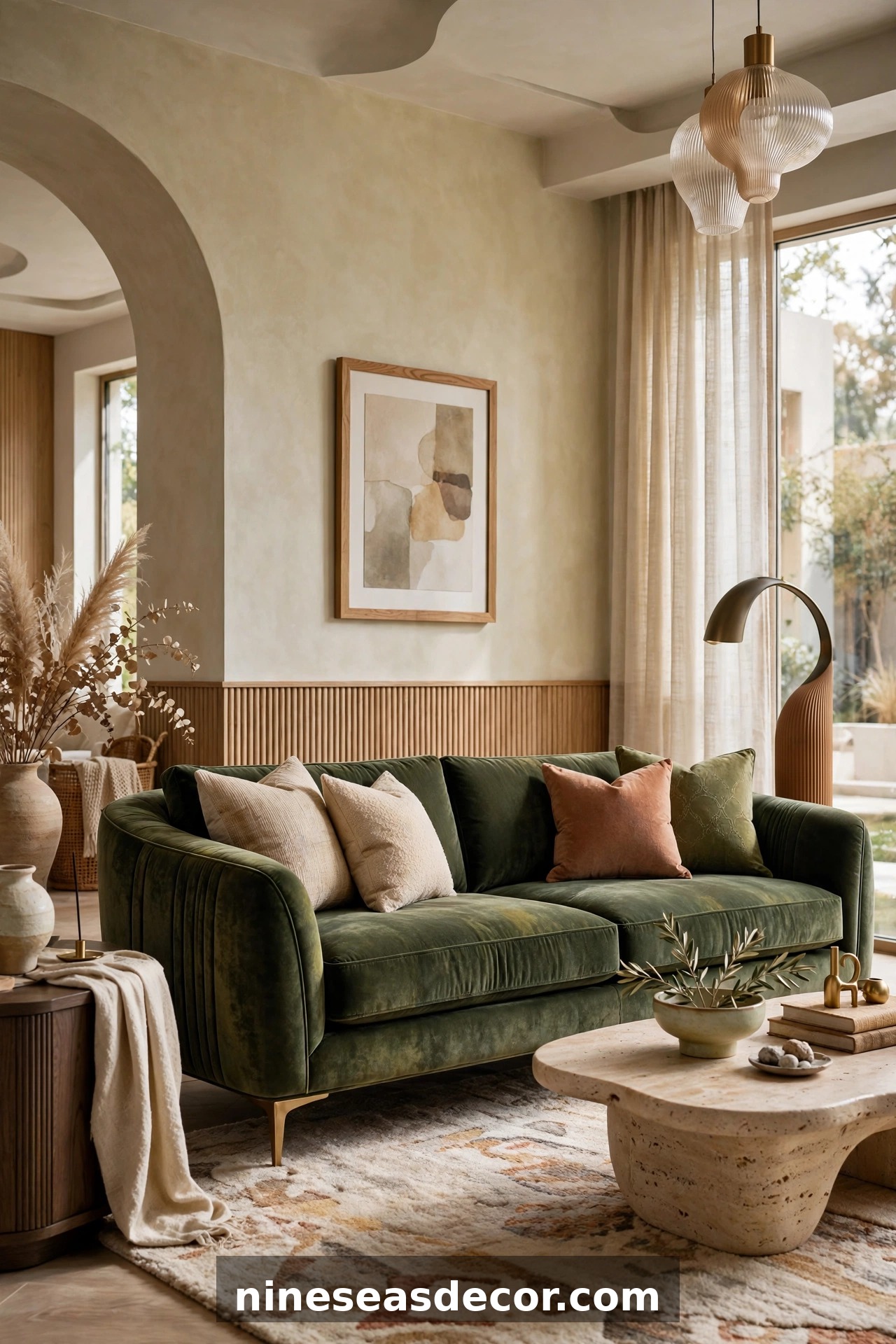
Let’s talk about the sofa, because this is where most living room budgets are spent, most decisions are agonized over, and most mistakes are made. Your sofa is the anchor of your entire living room. Every other piece of living room furniture you choose will be chosen in relation to it. This means you need to get the sofa right before you do anything else. Not just the color, but the size, silhouette, frame construction, cushion fill, leg style, and upholstery fabric. Each of those decisions cascades into everything that follows.
According to the National Retail Federation’s 2024 Home Furnishings Consumer Report, Americans spend an average of ($1,200 to $3,500) on a new sofa, with quality pieces in the ($2,000 to $5,000) range offering the best long term value in terms of durability and comfort. Ultra budget sofas under ($800) typically use lower density foam that breaks down within two to three years and frame construction that isn’t built to last. On the other end, designer sofas can run ($6,000 to $15,000) or more. For most homeowners, the sweet spot is somewhere in the ($1,500 to $4,000) range where you get solid kiln dried hardwood frames, quality cushion fill, and durable upholstery options.
SOFA STYLES TRENDING IN 2026
The biggest sofa trends of 2026 are leaning heavily into curved silhouettes, boucle upholstery, low profile designs, and earthy warm tones. The curved sofa or arc sofa has moved from trend to staple, and for good reason. Its rounded form softens angular rooms and creates an immediate sense of warmth and intimacy. Boucle fabric, that beautiful nubby textured weave, remains enormously popular because it photographs beautifully and feels luxurious underhand. For color, we’re seeing a strong move toward warm terracotta, camel, dusty sage, and deep mocha. Sherwin Williams Accessible Beige (SW 7036) is actually a wonderful reference point for sofa upholstery tones that are dominating living rooms right now.
SOFA FABRIC GUIDE: WHAT ACTUALLY HOLDS UP
Choosing the wrong upholstery fabric is a heartbreaker, especially when you have kids, pets, or both. Performance fabrics like Crypton, Sunbrella, and various stain resistant woven polyesters are genuinely worth the premium price for active households. They resist staining, clean up with water and mild soap, and hold their color for years. Natural linen is gorgeous but wrinkles and stains easily. Velvet looks incredible but shows every pet hair and requires regular maintenance. Top grain leather in the ($3,000 to $8,000) range is a lifetime investment that actually improves with age. Bonded leather under ($1,000) peels and cracks within a few years and is not worth it. Know your household before you commit to a fabric.
Coffee Tables, Side Tables, and Accent Pieces
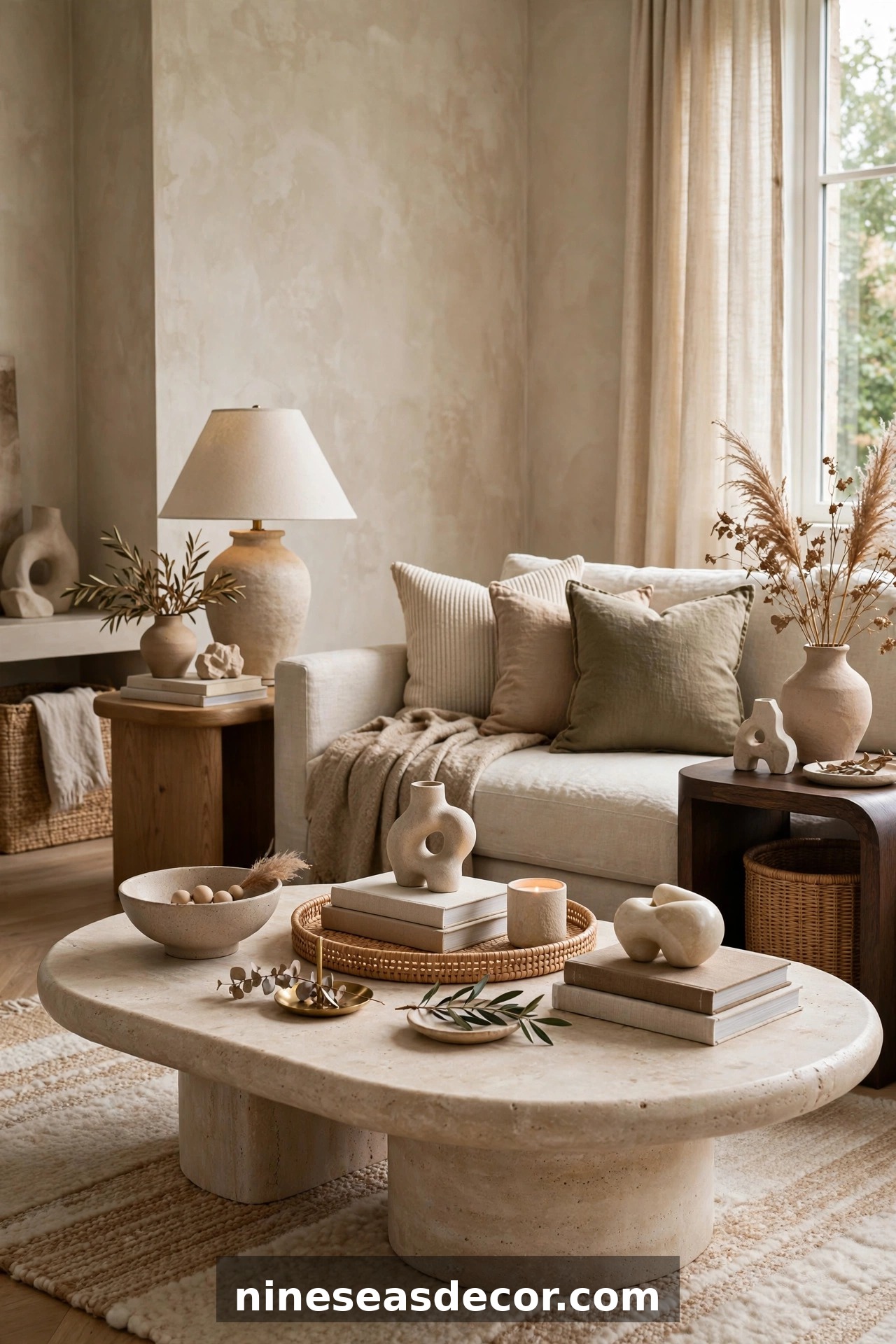
Once your sofa is chosen, the next critical decision in living room furniture planning is your coffee table. This piece gets touched, leaned on, stacked with books and remotes and candles, kicked by accident, and judged by every guest who walks through your door. It’s one of those pieces that needs to work hard both functionally and aesthetically. The biggest rule I have around coffee tables is the two thirds rule: your coffee table should be approximately two thirds the length of your sofa. So if your sofa is (90 inches) long, your coffee table should be roughly (60 inches) long. This creates visual harmony without making the table feel either dwarfed or overwhelming.
Height matters just as much. Your coffee table height should be within (1 to 2 inches) of your sofa’s seat height, which is typically between (16 and 18 inches). A table that’s too low forces you to hunch to reach it. A table that’s too high looks awkward and blocks sightlines. And as I mentioned earlier, always maintain at least (18 inches) of clearance between the sofa edge and the nearest coffee table edge so people can actually move comfortably.
COFFEE TABLE MATERIALS AND STYLES FOR 2026
In 2026, the most popular coffee table styles are organic shapes in natural materials. Think live edge wood slabs on simple metal bases, travertine stone tops, rattan and cane construction, and sculptural concrete forms. The era of the perfectly square glass coffee table is not over, but it has definitely been joined by a much wider range of organic, textural alternatives. Travertine coffee tables are having a massive moment right now, running anywhere from ($400 to $2,500) depending on size and quality. A solid oak or walnut coffee table in the ($500 to $1,800) range is a timeless choice that works across many styles.
SIDE TABLES AND END TABLES: THE UNDERRATED HEROES
Side tables and end tables are the unsung heroes of a functional living room, and yet so many homeowners either skip them entirely or grab the cheapest option available. A well chosen end table provides a surface for a lamp, a drink, a book, and a phone charger. It anchors the end of your sofa and creates a finished, intentional look. End tables should be roughly the same height as the arm of your sofa, usually between (22 and 28 inches tall). You don’t need matching end tables, mixing a round drum table on one side with a small cabinet on the other adds personality. Budget between ($150 and $600) per side table for decent quality that will actually hold up.
ACCENT CHAIRS THAT COMPLETE THE CONVERSATION AREA
A well chosen accent chair can transform a living room from functional to fabulous. The best accent chairs do three things simultaneously. They provide extra seating, they add visual contrast to the main sofa, and they create a complete conversation grouping. The classic formula is a sofa plus two accent chairs positioned at angles to create an inviting U or L shape. Chairs should be placed close enough to the sofa to encourage conversation, generally within (8 feet) of the main seating. Popular accent chair styles for 2026 include the curved barrel chair, the swivel chair in performance fabric, and the ever classic tufted wingback for more traditional spaces.
Area Rugs: The Foundation That Ties Everything Together
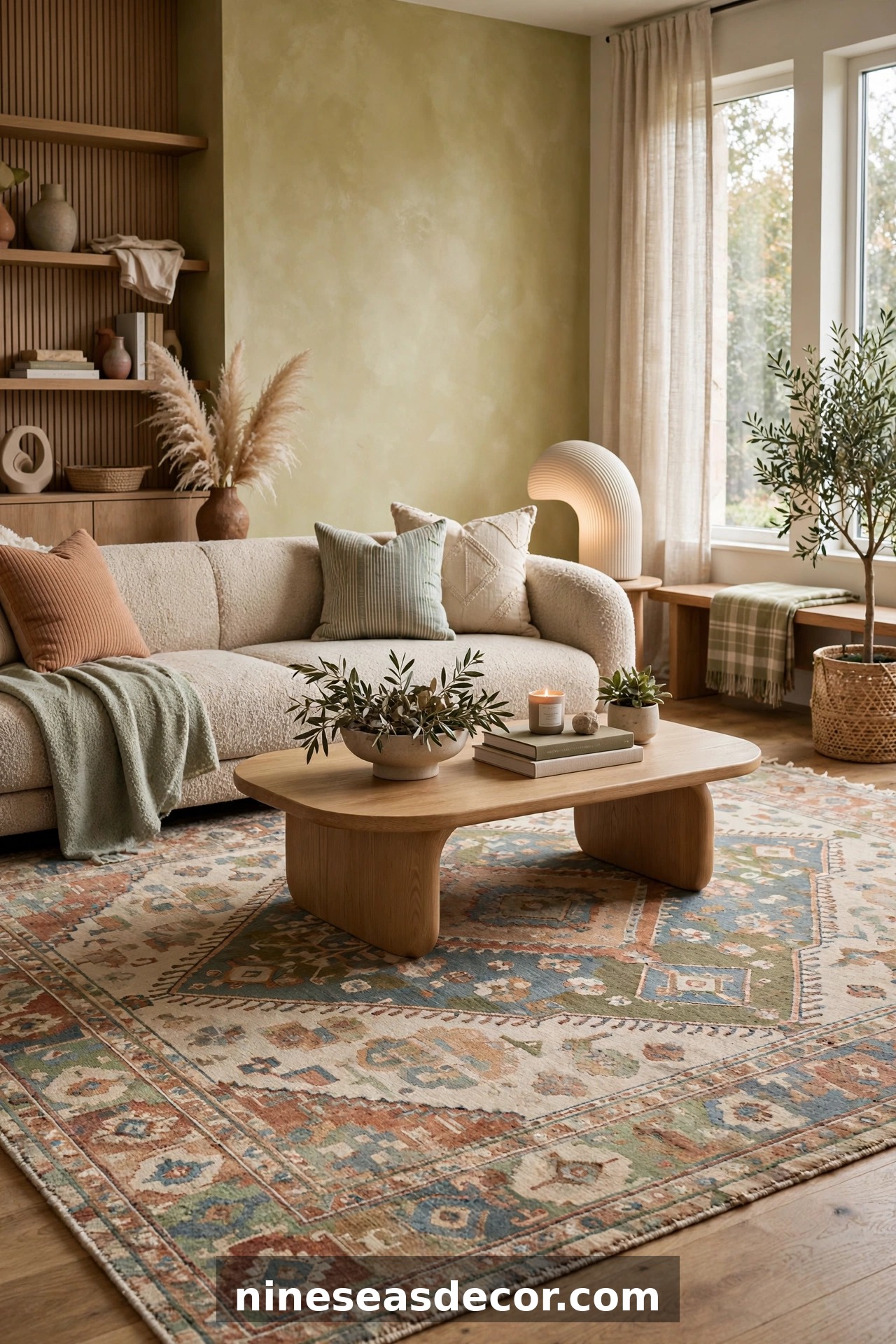
If sofas are the most important piece of living room furniture, then area rugs are the most underestimated element of the entire room. I can’t tell you how many times I’ve walked into a beautifully furnished living room only to find it completely undone by a rug that’s three sizes too small. The rug floats in the middle of the room like a tiny island, and every piece of furniture around it looks disconnected and awkward. Getting your area rug size right is one of the highest impact, most affordable changes you can make in any living room.
According to a 2024 survey conducted by the American Society of Interior Designers (ASID), rug sizing errors were identified as the most common design mistake in residential living rooms, cited by over 81% of professional designers surveyed. The correct approach is to choose a rug that is large enough for all major furniture legs to sit on it, or at minimum for the front two legs of every seating piece to rest on the rug. For a standard living room, this typically means you need a rug that is at least (8×10 feet), and in many cases (9×12 feet) or larger is actually more appropriate.
HOW TO CHOOSE THE RIGHT RUG SIZE
Here’s my simple rule for rug sizing: go one size bigger than you think you need. Most people instinctively reach for a (5×8 foot) rug when they actually need a (8×10 foot), or they buy a (8×10 foot) when the room truly calls for a (9×12 foot). The standard rug sizes available at most retailers are (5×8 feet), (6×9 feet), (8×10 feet), (9×12 feet), and (10×14 feet). For a (12×15 foot) living room with a standard sofa arrangement, a (9×12 foot) rug is almost always the right answer. For a (15×20 foot) great room, you likely need a (10×14 foot) rug or larger. Always place a rug pad underneath to prevent slipping and protect your floors.
RUG MATERIALS AND WHAT THEY COST IN 2026
Area rug materials vary wildly in price, durability, and feel underfoot. A quality wool rug in a (8×10 foot) size runs between ($400 and $2,000) and is worth every penny for high traffic living rooms. Wool is naturally stain resistant, incredibly durable, and gets better looking over time. Hand knotted Persian or Oriental rugs can run ($2,000 to $10,000) or more for heirloom quality pieces. Machine made polypropylene rugs are budget friendly at ($100 to $400) for the same size but feel synthetic underfoot and don’t age as gracefully. Natural fiber rugs in jute or seagrass run ($200 to $800) and add wonderful texture but are difficult to clean and not ideal for spill prone households.
Storage and Entertainment Furniture
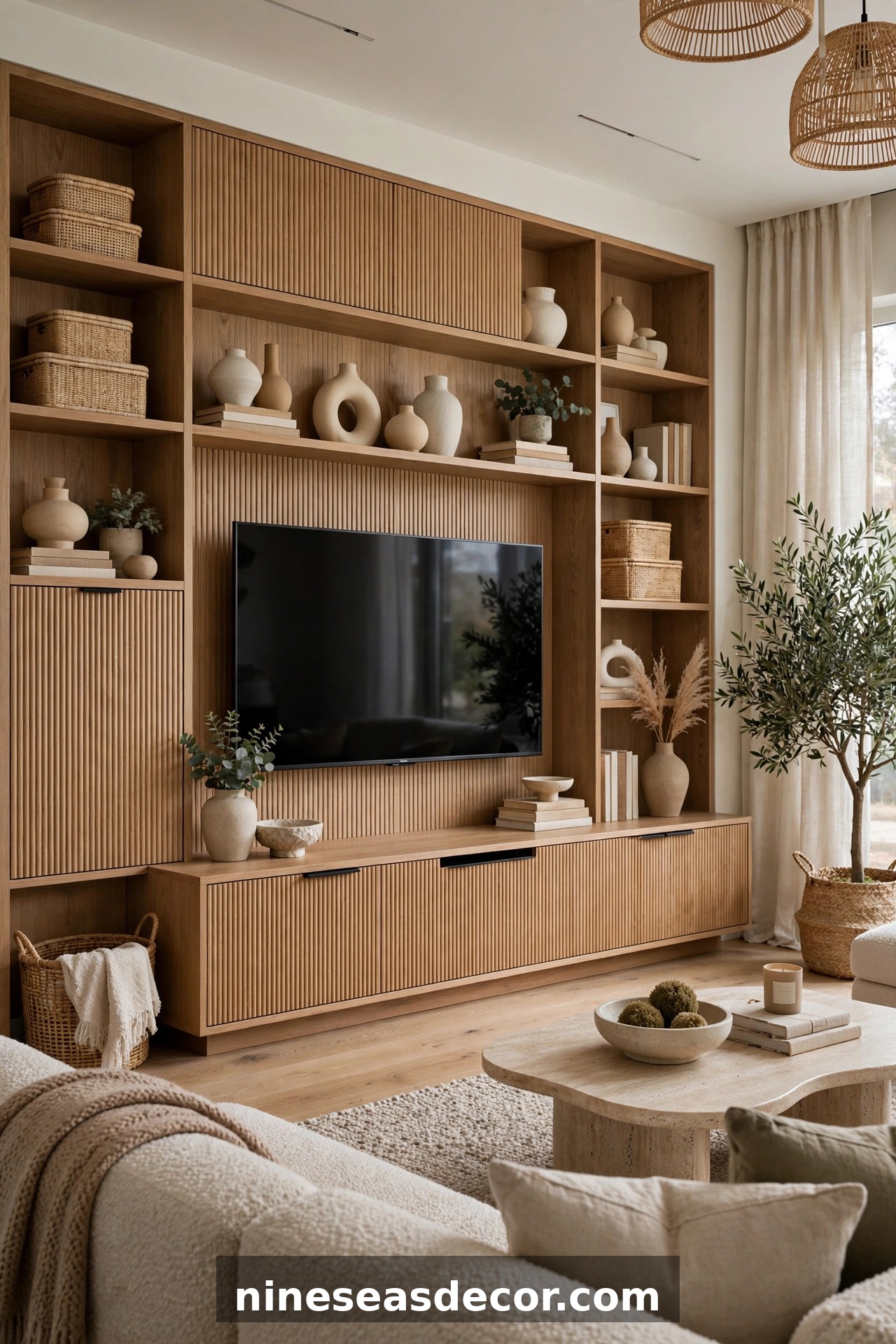
Here’s a truth nobody wants to hear. A beautiful living room that has nowhere to put things will always look messy. Storage furniture is not a luxury. It’s a necessity in any living room that people actually live in. The best living room storage is the kind that doesn’t look like storage at all. We’re talking about media consoles with hidden cable management, ottomans with interior storage, built in bookshelves styled with intention, and console tables with drawers. Each of these pieces solves the clutter problem while adding to the room’s overall aesthetic.
The entertainment center or media console is often the second largest piece of living room furniture after the sofa, and it deserves serious thought. The classic rule is that your TV and media console should be on the shorter wall of the room to avoid making the space feel tunnel like. Your media console should be at least as wide as your TV, ideally (6 to 12 inches wider) on each side. TV height is another constant source of frustration. The center of your TV screen should be at roughly eye level when seated, which for most seating arrangements means the center of the screen sits between (42 and 48 inches) from the floor.
MEDIA CONSOLES AND ENTERTAINMENT CENTERS
Media consoles in 2026 are leaning toward low profile floating designs, warm wood tones, and cane front cabinet doors that hide equipment while allowing infrared signals to pass through. A quality media console in solid or engineered hardwood runs between ($400 and $2,500) depending on size and construction. Look for consoles with integrated cable management holes, adjustable shelving, and soft close doors. The dimensions you need will depend on your TV size. A (65 inch TV) pairs beautifully with a console that is at least (60 to 70 inches wide). A (75 inch TV) needs a console at minimum (70 inches wide), though wider is always better for visual balance.
BOOKSHELVES AND DISPLAY CABINETS
A beautifully styled bookshelf or display cabinet can be a living room’s most personal and interesting focal point. The key word there is styled. A bookshelf crammed with randomly sized books in every color reads as clutter, not character. The approach that works is to curate a mix of vertical books, horizontal book stacks, small sculptural objects, plants, and framed photos in a roughly 60/40 ratio of books to objects. Freestanding bookshelves range from ($150 to $1,200) depending on size and material. Built in bookshelves are a higher investment at ($2,000 to $8,000) for a standard wall treatment but add significant visual impact and home value.
OTTOMANS AS MULTI-FUNCTIONAL STORAGE PIECES
The storage ottoman is one of the most practical pieces of living room furniture you can own, and it’s criminally underused. A large tufted storage ottoman can replace your coffee table entirely, serve as extra seating when needed, and hide blankets, toys, board games, and remote controls inside. Choose an ottoman that is roughly the same width as your sofa seat cushions for visual balance. Performance fabric ottomans with storage run between ($200 and $800) at most furniture retailers. Add a large wooden tray on top to create a stable surface for drinks and remotes, and suddenly your storage solution doubles as a gorgeous styled vignette.
Living Room Furniture Layouts That Actually Work
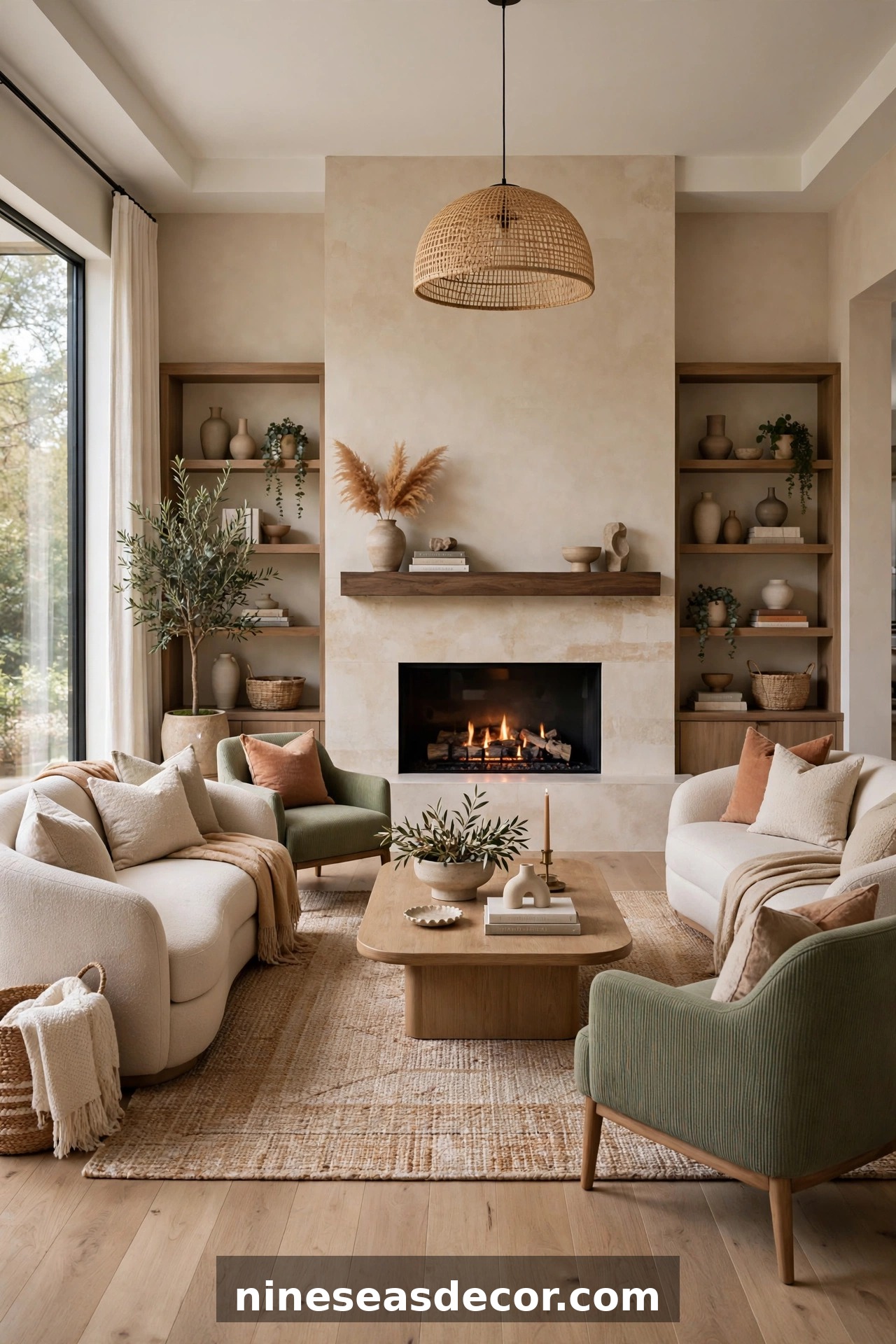
Even the most beautifully chosen individual pieces of living room furniture will fall flat if the layout doesn’t work. Furniture arrangement is its own discipline, and getting it right requires understanding how people actually move through and use a space. The most common layout mistake I see is pushing all the furniture against the walls, leaving a huge empty space in the center of the room. This feels counterintuitive to many homeowners who think pulling furniture away from the walls will make the room feel smaller. It doesn’t. It actually makes it feel larger and more intentional.
According to a 2024 study published in the Journal of Interior Design, homeowners who planned their furniture layouts using measured floor plans before purchasing reported 67% higher satisfaction rates with their living rooms compared to those who arranged furniture by trial and error after purchase. Planning costs nothing. Moving a sofa costs a lot, both in effort and in potential damage to floors and furniture.
THE CLASSIC U-SHAPE ARRANGEMENT
The U shape arrangement is the gold standard of living room layouts, and it works in most rooms over (150 sq ft). It consists of a sofa facing two accent chairs, all arranged around a central coffee table, with the open end of the U facing the TV or fireplace. This layout excels at creating intimacy and conversation. It defines the seating area clearly and leaves clear circulation paths around it. To execute it well, ensure all pieces are facing inward toward the central anchor point, maintain (18 inch) clearance between sofa and coffee table, and pull everything away from the walls by at least (12 to 18 inches) to allow the room to breathe visually.
MAKING A SECTIONAL SOFA WORK IN ANY ROOM
Sectional sofas are beloved for their generous seating and casual comfort, but they’re also the most frequently misused piece of living room furniture. The most important rule with a sectional is that the longer leg of the L shape should always run along the longer wall of the room. Doing the opposite creates an immediate imbalance. Sectionals work best in rooms over (200 sq ft). In smaller spaces, a two piece sectional in the (95 to 110 inch) range can work beautifully, while larger rooms can accommodate three piece sectionals up to (150 inches) on the long side. Always leave at least (36 inches) of clearance between the sectional’s open end and any adjacent wall or furniture.
FURNITURE LAYOUT FOR OPEN CONCEPT LIVING SPACES
Open concept living spaces present a unique challenge because the living room exists within a larger combined space that often includes a dining area and kitchen. In these layouts, area rugs become critically important as they are the primary tool for defining the living room zone visually. Your sofa back can also serve as a room divider, and positioning it to face away from the kitchen while facing the TV creates a clear psychological boundary between spaces. Avoid pushing all living room furniture toward the far wall of the open space. Instead, float the seating arrangement toward the center of the living zone, using the rug to define the boundaries clearly.
Color, Finish, and Style Cohesion in 2026
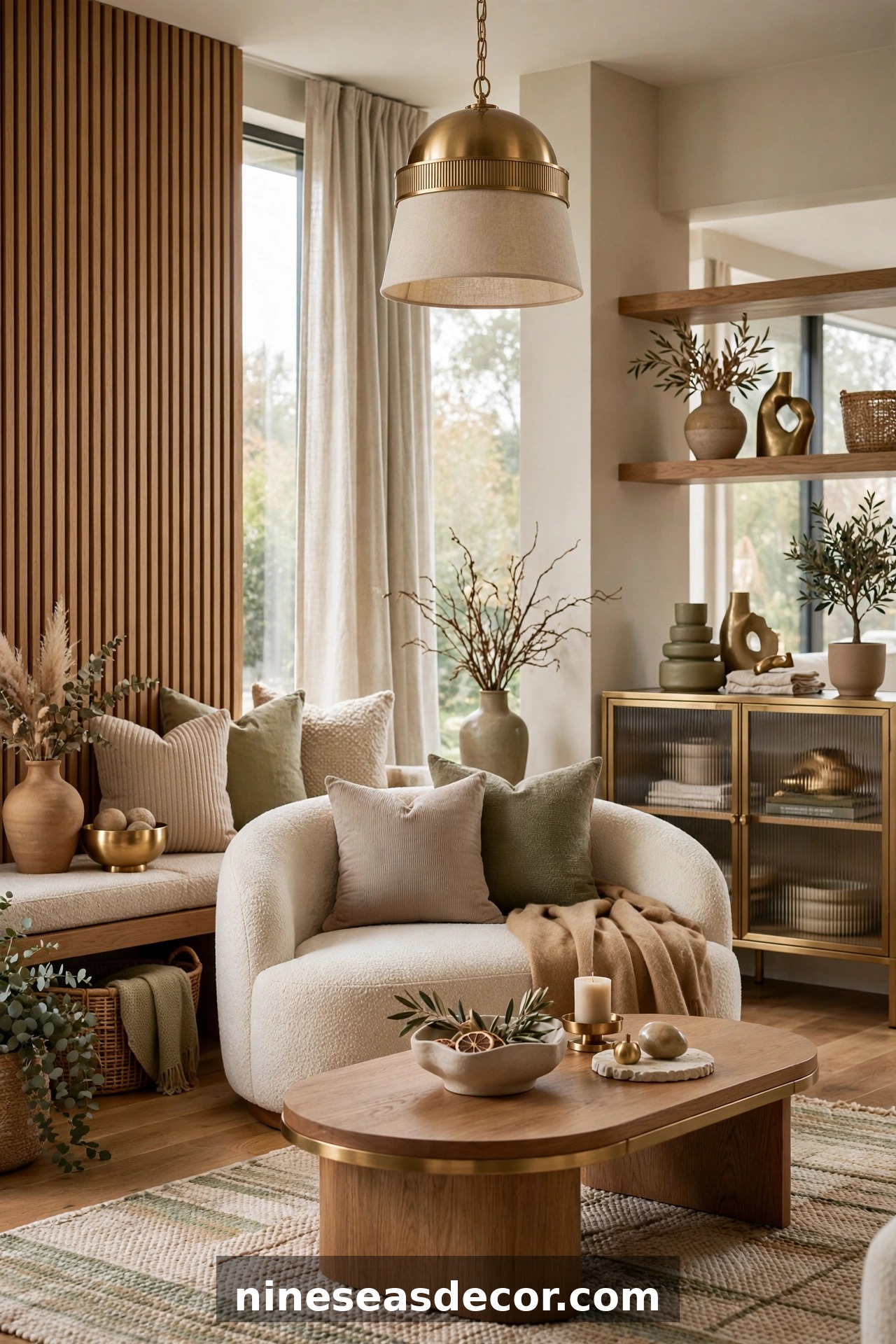
Bringing together multiple pieces of living room furniture in a way that feels cohesive but not matchy matchy is an art form. The days of buying entire matching furniture sets are essentially over in the design world, and for good reason. Matching sets feel flat and soulless. The approach that resonates in 2026 is curated cohesion, meaning pieces that share an underlying logic of style, color palette, or material without being identical.
The safest framework for achieving this is the 60,30,10 color rule. Sixty percent of your living room should be a dominant neutral color, typically reflected in your walls, sofa, and large rug. Thirty percent should be a secondary color introduced through accent chairs, curtains, and larger accessories. Ten percent should be an accent color brought in through throw pillows, artwork, and small decorative objects. For walls, Sherwin Williams Accessible Beige (SW 7036) or Benjamin Moore Revere Pewter (HC-172) remain enduring neutral backdrops that work beautifully with the warm wood tones and earthy upholstery colors dominating 2026 living rooms.
WOOD TONES AND METAL FINISHES: MIXING DONE RIGHT
One of the questions I get most often is whether you can mix wood tones in a living room. The answer is absolutely yes, but with intention. The rule is to keep your dominant wood tone consistent across at least two to three major pieces, typically your coffee table, media console, and side tables. Then you can introduce a secondary wood tone as an accent in smaller pieces like a side chair leg or a decorative tray. For metal finishes, the same logic applies. Choose one dominant finish, whether that’s brushed brass, matte black, brushed nickel, or antique bronze, and use it on at least 70% of your metal elements including lamp bases, hardware, and decorative objects.
THE MOST INFLUENTIAL LIVING ROOM FURNITURE TRENDS OF 2026
The living room furniture trends of 2026 are a fascinating blend of comfort driven design and sophisticated restraint. Curved and sculptural furniture continues to dominate, with arc sofas, round coffee tables, and oval ottomans creating a softness that feels very much in the cultural moment. Natural and sustainable materials are a massive priority for today’s homeowner, with FSC certified solid wood, recycled fabric upholstery, rattan, bamboo, and natural stone all seeing enormous popularity. Warm earth tones and biophilic design elements are the aesthetic mood of the year. Furniture that references nature, whether through organic shapes, natural textures, or botanical color references, feels deeply current and deeply livable.
Budget Planning for Your Living Room Furniture
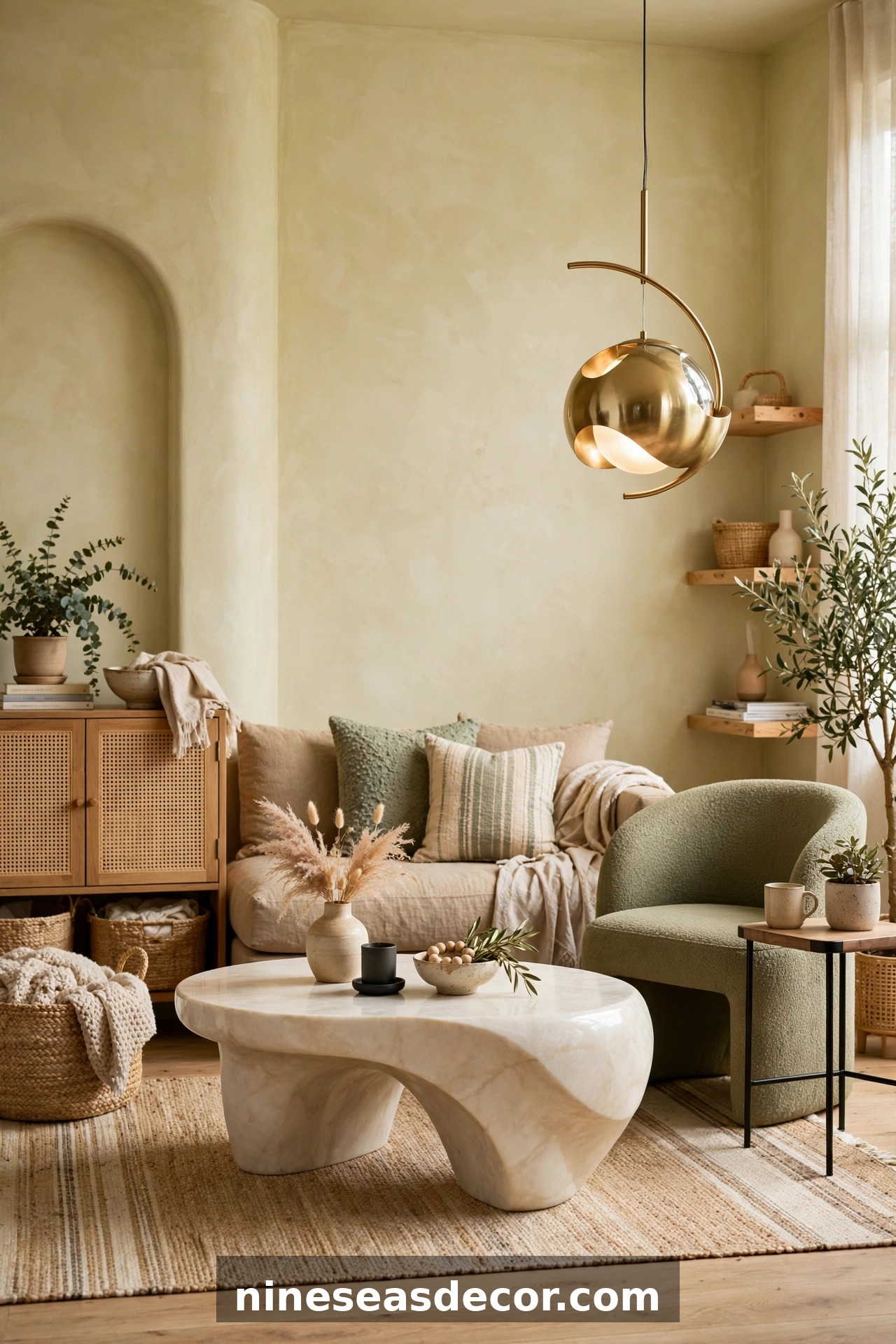
Let’s get into the numbers, because understanding what things actually cost is the only way to plan a realistic living room furniture budget. The range of investment here is enormous. You can furnish a basic living room for under ($3,000) if you shop smart, or you can invest ($20,000 to $50,000) in a designer level space. Most homeowners land somewhere in between, and the key is knowing where to spend and where to save.
The general guidance from professional interior designers is to allocate the largest portion of your budget to the pieces that get the most use and contribute most to the room’s overall foundation. That means your sofa, your rug, and your lighting deserve the biggest investment. Your accent chairs, side tables, and decorative accessories are better candidates for more budget conscious choices.
REALISTIC BUDGET BREAKDOWN BY ROOM SIZE
For a small living room (under 150 sq ft), a complete furnishing budget of ($4,000 to $8,000) is realistic for quality mid range pieces. This covers a good sofa ($1,500 to $2,500), a quality rug ($400 to $800), a coffee table ($300 to $600), a pair of side tables ($200 to $500), and lighting ($300 to $800). For a medium living room (150 to 250 sq ft), budget ($8,000 to $18,000) for a well furnished space with quality pieces including an accent chair and media storage. For a large living room over 250 sq ft, realistic budgets run ($15,000 to $35,000) to furnish proportionally with quality pieces across all categories.
WHERE TO SAVE AND WHERE TO SPLURGE
The smartest approach to living room furniture budgeting is strategic allocation. Splurge on your sofa because it gets used every single day and cheap foam breaks down fast. Splurge on your area rug because it sets the entire tone of the room and a cheap rug looks cheap no matter how nice everything else is. Splurge on your main lighting because a beautiful chandelier or oversized floor lamp elevates everything around it. Save on accent tables, especially if you mix in secondhand or vintage finds. Save on decorative accessories because these are easy and inexpensive to update as trends change. Save on basic storage pieces like simple bookshelves that can be elevated with paint and styling for a fraction of the custom price.
Frequently Asked Questions
HOW MUCH SHOULD I SPEND ON LIVING ROOM FURNITURE IN 2026?
The right budget for living room furniture depends entirely on your room size, quality expectations, and how long you plan to stay in your home. As a general guideline, a realistic budget for a complete, quality mid rangeLiving Room Design Guide 2026: Complete Layout, Decor & Style IdeasLiving Room Layout Ideas 2026: Arrange Furniture Like a Pro (Guide)Living Room Color Schemes 2026 | Transform Your Space

Hi, I’m Sophia Rose. I believe every home tells a story. At Nine Seas Decor, I share creative ideas, budget-friendly tips, and modern trends to help you turn your living space into a sanctuary. Let’s make your home beautiful, one corner at a time!